Mailchimp
Not subscribed to OpsMatters Newsletter


Sidekiq is a Ruby framework for background job processing. Developers can use Sidekiq to asynchronously run computationally intensive tasks—such as bulk email sending, payment processing, and data importing—to help speed up the response times of their applications. If you’re using Sidekiq Pro or Enterprise, Datadog’s integration helps you monitor the progress of your jobs and the applications that depend on them, all in a single platform.
Many organizations already use Docker to containerize their Windows applications and often run mixed Windows and Linux container environments to support complex architectures. With Kubernetes’s support for deploying clusters with Windows nodes, organizations can leverage the orchestration platform to easily automate container provisioning, networking, scaling, and more for their Windows applications.
From global pioneers to budding startups, almost every organization around the globe has adopted a mandatory work-from-home routine due to the COVID-19 outbreak. This shift has brought up numerous questions for decision-makers: How are we going to pull this off? Is work-from-home strategy feasible? Is our network security going to be compromised? Is BYOD the solution?
Apache Solr was always ready to be extended. What was only needed is a binary with the code and the modification of the Solr configuration file, the solrconfig.xml and we were ready. It was even simpler with the Solr APIs that allowed us to create various configuration elements – for example, request handlers. What’s more, the default Solr distribution came with a few plugins already – for example, the Data Import Handler or Learning to Rank.
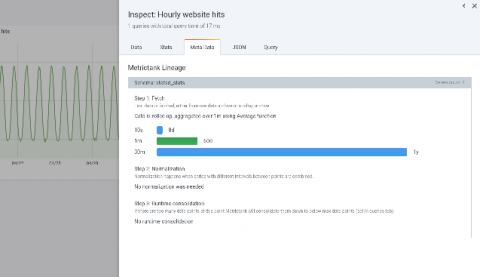
The Grafana and Metrictank/Graphite teams have been hard at work to deliver an exciting new feature for the upcoming Grafana v7.0 release: a rollup indicator and series lineage metadata breakdown for Metrictank. This blog will cover the new functionality around Metrictank metadata, the rollup indicator, and the lineage visualization coming in 7.0.
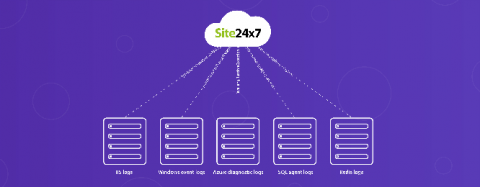
A large number of security breaches are impacting industry verticals, including banking, financial services and insurance (BFSI), telecom, and hospitality, so there's a growing need for organizations to fortify their infrastructure against these threats. For example, by the time T-Mobile identified the intrusion and unauthorized access to its sensitive data in 2019, both its customer and employee details were already stolen by hackers.
So much of the digital transformation conversation is naturally focused on technology, but technology alone isn’t transforming any business. The rest of the story depends on the people and evolving the culture to drive adoption, champion benefits, and advocate for wider acceptance. Driving change organizationally to implement wide-scale IT automation and AIOps starts with developing the right message.