Mailchimp
Not subscribed to OpsMatters Newsletter


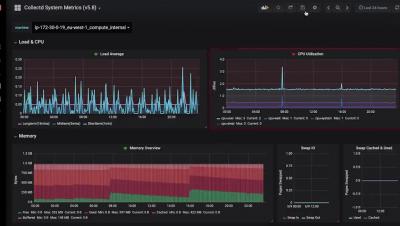
Network performance monitoring has become a standard practice for modern businesses. With the shift towards large cloud-based applications, and hosted services, businesses rely on optimal network performance to sustain some of their key applications. Because of that, tools like network performance monitoring software have piqued the interest of users even outside of the IT team.
Today we are introducing the Agent Modes to help our users to configure the client / server relation between monitoring agents. This article describes the differences between the old settings and the new one. The documentation on Agent Modes is available at Agent Modes. This article refers to old settings that are no longer available in the App and it should be read only by users used to these old settings.
In this blog, we introduce the new integration between Sysdig Secure and Red Hat® Advanced Cluster Management for Kubernetes that protects containers, Kubernetes, and cloud infrastructure with out-of-the-box policies based on the Falco open-source runtime security project. Organizations are quickly growing their Kubernetes footprint and need ways to achieve consistent management and security across clusters.
The ever-evolving cloud-native landscape creates constantly changing attack surfaces. As a result, teams implement a whole suite of security tools to identify large varieties of vulnerabilities and attacks, as well as monitor more logs than ever to find malicious activity. But monitoring so much information can cause a barrage of notifications and alerts. Even if you’re identifying real security threats, it can be impossible to know where to start and where to focus.
Maintaining product focus is the best way to guarantee a successful business. As the late great Steve Jobs put it: “if you keep an eye on the profits, you’re going to skimp on the product… but if you focus on making really great products, the profits will follow.” There are a wide variety of statistics available on how much time developers actually spend writing code, anywhere from 25% to 32%.
Forensic analysis refers to the process of collecting documents and evidence from a system or drive that was involved in cybercrime. For detecting a malware infection on a Windows computer, the process of forensic analysis has four different components. Let’s try to understand the components.
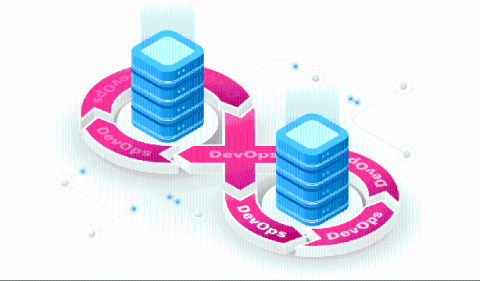
In software development, it’s important to have a team dedicated to ensuring all systems and applications maintain maximum performance and uptime. Establishing processes that limit system and application slowdowns and outages while expediting the product release process is often done through a developer operations team, also known as dev ops or DevOps.
We are pleased to announce the release of CFEngine 3.17.0, with the theme Flexibility! This is a non-LTS release and allows the CFEngine community to test the features which will be in CFEngine 3.18.0 LTS (Summer 2021).