Mailchimp
Not subscribed to OpsMatters Newsletter


Platforms like New Relic simplify enterprise cloud complexity, accelerating digital transformation, and simplifying cloud management. Their company serves over 10,000 businesses worldwide with AIops, distributed tracing, browser monitoring, infrastructure monitoring, and synthetic monitoring solutions. As a result of New Relic's lack of onboarding support, some engineers have complained about burnout while implementing the solution.
AppSignal for Elixir now provides out-of-the-box support for Finch. If your Elixir app sends requests to another web app, you're likely already using Finch. We wanted to ensure that AppSignal's analytics provided performance data on a per-request level.
The real beauty of this modern, cloud-fueled, DevOps-driven world that we are living in is that it’s so highly composable. In so many ways, we’ve been freed from the limitations and structures of the previous annals of software and technology history to build things the way that we want to, and however we choose to do so.
Have you met anyone in your organization who likes the budgeting process? Probably not. Business areas don’t like to get stuck with allocations granted from guessing the amounts they’ll need long before a solid plan is in place. The finance department gets blamed when the business areas don’t get what they want. Executives dislike the infighting and arguments that result when people seek funding for projects that only somewhat align with the organization’s goals.
Uptime is the time period when your website and all of its contents are fully functional and accessible. It is expressed as a percentage, thus if your web is up 99% of the time, you can expect more than 7 hours of downtime every month. Downtime, as the name suggests, is when all or a portion of your service is unavailable. Disruptions result and potential customers are lost. Uptime monitors are useful for correctly logging, assessing, and informing on each downtime.
Codenamed “Kinetic Kudu”, this interim release improves the experience of enterprise developers and IT administrators. It also includes the latest toolchains and applications with a particular focus on the IoT ecosystem.
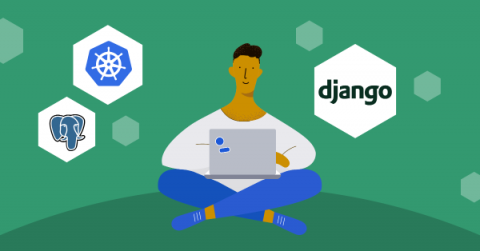
Do you have an application built with Django and PostgreSQL that you’d like to run on Kubernetes? If so, you’re in luck! In this tutorial, you’ll learn how to orchestrate your Django application with Kubernetes. Since we’re working with multiple microservices, it can be difficult to ensure all parts work together. This tutorial will demystify all that.