Mailchimp
Not subscribed to OpsMatters Newsletter


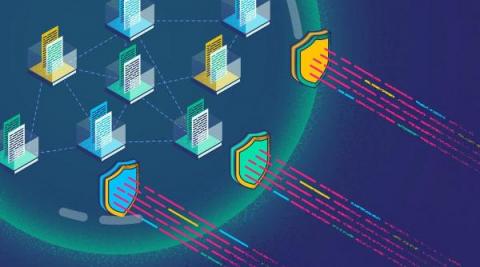
With the shift from traditional monolithic applications to the distributed microservices of DevOps, there is a need for a similar change in operational security policies. For example, how do you secure a disparate number of micro-systems operating with multiple access credentials across a multi-level organization? DevSecOps (Devops security) answers this question by integrating security at every level of your development process.
Dashboards are powerful tools for monitoring and troubleshooting your system. Too often, however, we run into an incident, jump to the dashboard, just to find ourselves drowning in endless data and unable to find what we need. This could be caused not just by the data overload, but also due to seeing too many or too few colors, inconsistent conventions or the lack of visual cues.
A ServiceNow study carried out by the Ponemon Institute reports, “An alarming 57% of cyberattack victims report that their breaches could have been prevented by installing an available patch.” Patch management is the process of organizing, testing, and applying patches to your organization’s assets.
Public clouds enabled digital transformation at unprecedented speed. But their operational costs over time can be exacting as compute needs increase. Hybrid clouds emerged as an alternative to gain the benefits of both worlds: private infrastructure that allows for lower operational expenditures and tighter control, and public clouds that can scale with ease.