Mailchimp
Not subscribed to OpsMatters Newsletter


Today, businesses and organizations rely heavily on metrics and analytics to make informed decisions. Metrics are important whether you’re a developer, a marketer, or the head of a company. One type of metric that is widely used is a time-series metric. Time-series metrics provide insights into how data changes over time. With time-series data, businesses can track trends, detect anomalies, and make predictions.
Today, we are pleased to announce the release of CFEngine 3.22.0! The focus of this new version has been coordination. This is a non-LTS (non-supported) release, where we introduce new features for users to test and give feedback on, allowing us to polish before the next LTS.(CFEngine 3.24 LTS is scheduled to release summer 2024).
When you survey developers on how to improve engineering practices and their daily job experience, their answers invariably include getting rid of little annoying things - what's called toil. Toil is manual and repetitive tasks that waste your time. Toil is arguably worse than crisis, because a crisis is temporary and firefighting can feel rewarding when it's over. Toil is more like a death march - an insidious force that eventually leads to burnout.
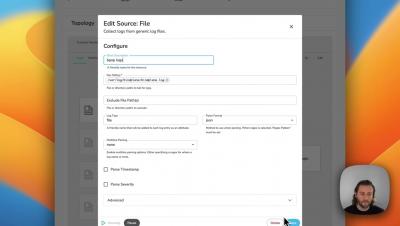
If you work with large amounts of log data, you know how challenging it can be to analyze that data and extract meaningful insights. One way to make log analysis easier is to normalize your log messages. In this post, we’ll explain why log message normalization is important and how to do it in Graylog.
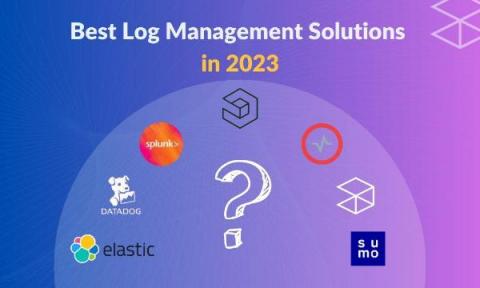
Log Management tools are crucial for the security and performance of your IT infrastructure. With the right log management system, you can quickly detect and respond to any anomaly or performance issue. Presently, there are numerous log management platforms. Each with its own unique set of features and benefits. While most of these platforms offer industry-standard capabilities, what sets them apart from each other are the stand-out features, pricing, and overall user experience.