Mailchimp
Not subscribed to OpsMatters Newsletter


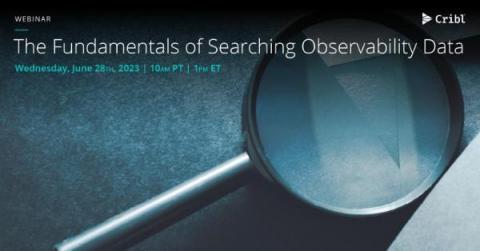
On June 28th I will be hosting a webinar, ‘The Fundamentals of Searching Observability Data’. So why should you attend? Because things have, and will continue to change in the way we manage the IT data collected across the enterprise. A recent study shows that enterprises create over 64 zettabytes (ZB) of data, and that number is growing at a 27 percent compound annual growth rate (CAGR). The scary part?
Many hospitals and health systems are dealing with tight budgets, workforce challenges, and security issues. These and other challenges are getting increasingly complex and adding strain to an already-taxed healthcare ecosystem. How do you decide whether to invest in patients or care teams—or deliver optimal care or achieve your financial goals? In this complicated environment, it can be difficult to avoid getting distracted by minutiae, bureaucracy, and manual efforts.
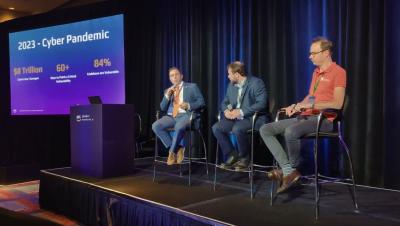
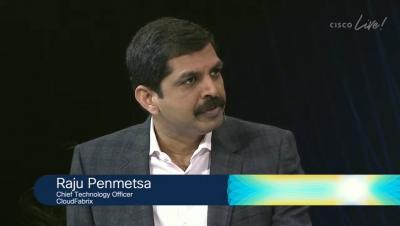
#CloudFabrix #CiscoLive2023 #rajupenmetsa
Telegraf is an open source plugin-driven agent for collecting, processing, aggregating, and writing time series data. Telegraf relies on user-provided configuration files to define the various plugins and flow of this data. These configurations may require secrets or other sensitive data. The new secret store plugin type allows a user to store secrets and reference those secrets in their Telegraf configuration file.
The Patch Management Engine (PME) in N-able N-sight RMM has been updated! I cannot stress how excited I am for granular patching. With the ever-changing security landscape in today’s world, we need more control over patching than ever. In this blog, I will quickly review the PME updates and give some quick-hit best practices that have served me well in the real world.