Mailchimp
Not subscribed to OpsMatters Newsletter


At a recent event, I found myself talking to a lot of MSPs about patching and upgrading to Windows 11. So, I thought it would be a good idea to look at this subject in more depth in a blog. We tend to see our MSP partners and their SMB/SME customers fall into two distinct and opposing camps on this: Over the past six months, Microsoft has been making a huge push towards shifting everyone to Windows 11—even by force if necessary.
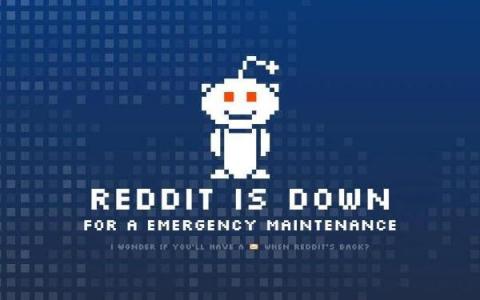
We’ve already demonstrated how to maintain a fresh and functional website. Now, let’s explore some examples of creative maintenance pages! Nothing brings a good scrolling session to a halt quite like stumbling upon a website maintenance page. While maintenance pages can be annoying interruptions, they can also serve as attractive temporary visuals for sites undergoing updates. Many brands even elevate these pages into imaginative and artistic displays.
As the Australian workforce braces for increased AI and automation, individuals must adapt by acquiring new skills. In doing so, Australians can expand the impact of their work, embark on more fulfilling career paths, and increase their income potential. Recent ServiceNow-commissioned research from Pearson points to major changes in the workforce—in Australia and around the world—due to the implementation of AI and other technologies.
Whatever the size of your network, as an engineer you will often notice a significant amount of log data being generated. This data will require centralizing for further analysis and management, which can be particularly challenging if you have varying log formats, such as plain text or HTML.
Collaboration: the secret sauce of every software project. But let’s be honest, mastering the communication needed for seamless teamwork is like trying to herd cats wearing roller skates – sounds amusing, but feels impossible. From navigating multiple time zones and illegible pull requests to juggling so many tasks simultaneously that your brain feels like a browser with fifty tabs open – teamwork isn’t always a walk in the park.
The curtain rose and fell on another spectacular Black Hat USA, the conference set against the backdrop of fabulous Las Vegas in the Mandalay Bay Convention Center. We knew upon hitting the Strip that all the glamor and neon lights were just the preshow for the main event: innovation and the latest in cybersecurity. We couldn’t wait to show attendees and fellow vendors what we had to offer.
Sentry developers work ridiculously hard to make sure that every update makes the developer experience better. And, just like you, we use Sentry to monitor…Sentry. While our issues feed seems under control, alerts aren’t popping off, and our releases are all healthy, our experience has taught us the undeniable value of taking a proactive approach to unseen customer-impacting issues.
In my last blog post, I wrote about the explicit costs of incidents — the ones you can easily track based on dollars lost. But the cost of incidents goes beyond the time spent resolving them. While we’re spending our time managing incidents (that includes mitigating and retrospectives), we’re incurring a large opportunity cost in terms of releasing the next big thing.
Splunk has become one of several players in the observability industry, offering a set of features and a specific focus on legacy and security use cases. That being said, how does Splunk compare to Coralogix as a complete full-stack observability solution? Let’s dive into the key differences between Coralogix vs Splunk, including customer support, pricing, cost optimization, and more.