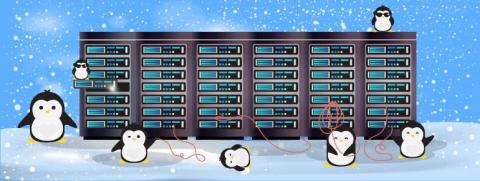
With Linux turning 28 years old, the operating system continues to be the predominant choice for serious computing among IT system developers for a variety of reasons, including its stability, secure nature, flexibility, and speed.
Recently, Loki v1.3.0 was released. It included many changes, but I’d like to talk about one in particular: the query frontend. This new component in the Loki architecture is a drop-in addition. What does that mean? Loki can run with or without it. In fact, the query frontend both produces and consumes the Loki API, meaning to a consumer there’s no difference.
It’s a new year and TrackJS has a new look. It’s smaller, it’s simpler, and it feels friendly–just like TrackJS. These minor refinements to our brand do a better job at emphasizing what were best at: easy to use and user-focused. The colors are brighter and clearer, the fonts are more refined, and there is just less noise.
In case you missed it, we released Ruby gem 2.10. It focusses mostly on diagnose and configuration. Though a bit late, here’s a round-up of what’s in the release.
New technology presents itself as a difference-maker. Every new application has the power to streamline routine tasks or faulty systems. But a dose of reality can damper the hype, as the Iowa caucuses app did this week. Instead of hope and hype, they inspire doubt and maybe scorn. With democracy, there is also a fear that we don’t control our own votes—hackers or foreign powers might be trying to steal the results for their own reasons.