Operations | Monitoring | ITSM | DevOps | Cloud

LogicMonitor's Best Practice Approach to Security

A few months ago, LogicMonitor was certified to the ISO 27000 standards for Information Security management, so I thought I’d take the opportunity to write a bit about our efforts to build our information security certification program as well as our own best practices for secure use of the LogicMonitor platform.
Xray 2.10 Released: New Package Support, an IDE Plugin and More.

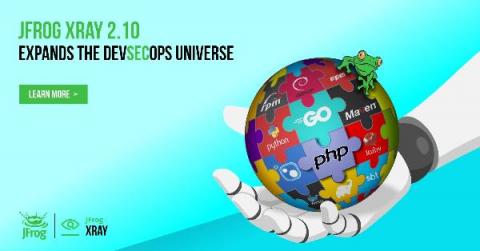
Our user community spoke and we listened. You asked for Xray to be even more universal and support more package types… in particular Go and PHP Composer. With Visual Studio Code (VSCode) now having more than 4.5 million monthly active users, we also added a new VSCode plugin for Xray. This broad adoption of multiple programming languages and package types across organizations, is driving up the need for a more universal DevSecOps solution supporting more package types.

What is RAID? What types of RAID are out there?

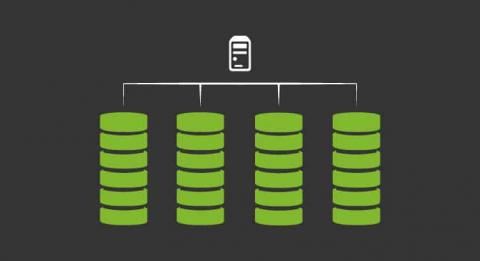
What is raid? Do you want to find out? The term RAID is related mostly to those components of our computers that allow us to store information and get our computer up and running properly.. What would we do without hard drives? Well… In this article we are going to learn what a RAID is and some of the types of RAID that exist. Let’s go!

The results of our 2019 "Future of Monitoring and AIOps" survey are in

IT operations is at a crossroads. The increasing complexity of IT infrastructure and software is challenging IT teams and the business. So this year we decided to focus our survey on what IT Ops execs, managers and practitioners think about the current state of their operations, the future of their systems and the role automation and AIOps might play in their transformation.

The 5 Whys: Why Use Monitoring at All?

Customers today are faced with a wide variety of industry terminology: APM, IOTA, BPM, OI, BAM and AIOps, just to name a few. Using different terminology like this might help large vendors expand their market size with different positioning offerings, but it certainly doesn’t help their customers understand what they’re getting. Companies spend tens of millions of dollars to solve their problems with the wrong solutions and struggle to get value from it.

How Adopting OnPage can Transform Your Organization

OnPage provides a reliable incident alerting solution, built for today’s healthcare providers and IT professionals, ensuring that important notifications are sent to the right individuals at the right time, every time. Adopting OnPage as a pager service or IT alerting solution equates to HIPAA-compliant exchanges, without human errors or complications.

How to Collect Kubernetes Data

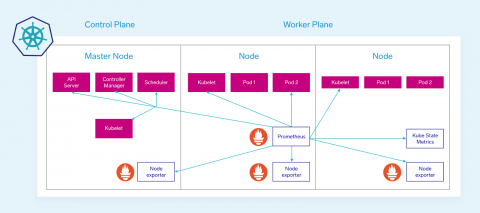
Now that we understand what machine data is available to us, how do we get to this data? The good news is that Kubernetes makes most of this data readily available, you just need the right tool to gather and view it. The solution we will discuss here heavily utilizes open source tools for collection and data enrichment because of their deep integrations and overwhelming community support.

SDLC Models in 2019: How They've Aged and What's Current

The software development life cycle (SDLC) started to become a formalized process for software development in the 1960s. That’s pretty much when software systems started to exist. With its loosely defined development phases, the SDLC has become a software development term that gets a lot of people talking. The SDLC, however, is more of an acronym packed with meaning than a specification or framework for software development.

The 10 Most Common HTTP Status Codes

As a typical Internet user, nothing is more frustrating than waiting for a web page to display, only to receive a “Page Not Found” 404 error status code. Sure, we try reloading the page, and sometimes that gets the gremlins to start working, but most times, the issue is out of our hands. For all of us typical users, we either go onto the next thing or find a different site. There’s a lot going on in the background that most of us are completely unaware of.

Monitor Java memory management with runtime metrics, APM, and logs

The Java Virtual Machine (JVM) dynamically manages memory for your applications, ensuring that you don’t need to manually allocate and release memory in your code. But anyone who’s ever encountered a java.lang.OutOfMemoryError exception knows that this process can be imperfect—your application could require more memory than the JVM is able to allocate.