The latest News and Information on CyberSecurity for Applications, Services and Infrastructure, and related technologies.
In April 2020, MalwareHunterTeam found a number of suspicious files in an open directory and posted about them in a series of tweets. Trend Micro later confirmed that these files were part of the first cryptojacking malware by TeamTNT, a cybercrime group that specializes in attacking the cloud—typically using a malicious Docker image—and has proven itself to be both resourceful and creative.
Several years back before the COVID-19 pandemic hit and the work-from-home shift took hold, we wrote a blog about how the mobile-centric zero trust framework removed the traditional perimeter security controls to protect the corporate enterprise network and all connected endpoints from cybercriminals.
Hey there, We recently ran a series of webinars* on how different-sized cybersecurity teams modernized their security operations and embedded polling questions within the webinars to gather some feedback. A set of possible answers was selected based on the ENISA NIS Investments report. In this blog post I’d like to share the results of the polls and the conclusions we can draw from them.
In January and February of 2021, the threat actor called Hafnium used a number of post-exploitation tools after gaining access to Exchange servers through a zero-day exploit. One of their persistence methods was creating new user accounts in the domain, giving them the ability to log back into the network using normal authentication rather than use a web shell or continue to re-exploit the vulnerability (which has since been patched).
From May 2021, Google is using ‘Core Web Vitals’ as a brand new ranking signal. Google states that business owners should monitor and improve their scores to avoid damaging their organic SEO. In this blog, we will explain how to improve Core Web Vitals scores. To discover the specific issues affecting your users’ experience, we strongly advise having a Core Web Vitals audit.
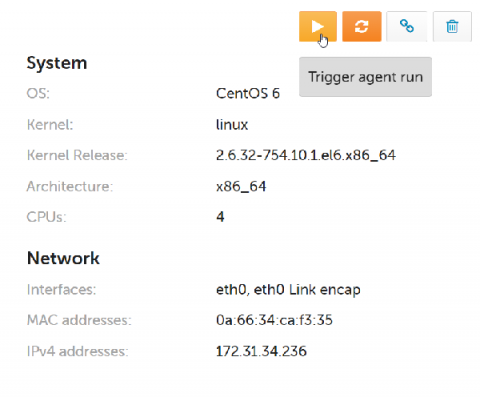
If you are debugging issues with a host, it is quite common to want to make changes to CFEngine policy, and speed up the process of fetching, evaluating and reporting for that host. You can do this by running cf-runagent and cf-hub from the command line, now we’ve brought this functionality into Mission Portal.
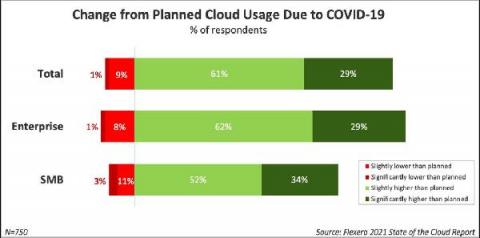
“Where necessity speaks, it demands”. This old saying seems particularly apt right now with the pandemic forcing organizations to completely change the way they think about their IT networks. That rapid shift to remote work has resulted in a massive demand for cloud-based services.
GCP audit logs are a powerful tool that track everything happening in your cloud infrastructure. By analyzing them, you can detect and react to threats. Modern cloud applications are not just virtual machines, containers, binaries, and data. When you migrated to the cloud, you accelerated the development of your apps and increased operational efficiency. But you also started using new assets in the cloud that need securing.