Operations | Monitoring | ITSM | DevOps | Cloud

5 IT Myths That Are Costing You Time and Money

In the fast-paced world of IT operations, myths often masquerade as truths, leading organizations down inefficient and costly paths. Let’s look at five of the most pervasive myths and explore why modern solutions like PagerDuty Operations Cloud are essential for thriving in today’s complex IT environments. Myth 1: Kubernetes is self-healing, and no other tools are required. The Reality: While Kubernetes is often touted as a self-healing platform, this is only partially true.

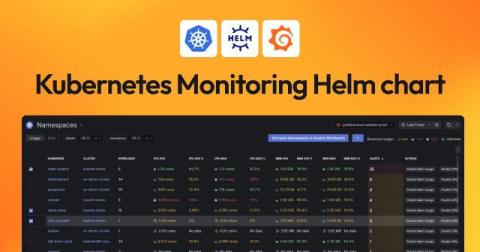
Kubernetes Monitoring Helm chart 2.0: a simpler, more predictable experience

The Kubernetes Monitoring Helm chart 2.0 is here, and it comes with some exciting changes to improve your experience collecting observability data. The Kubernetes Monitoring Helm chart makes it easy to start gathering telemetry data from your Kubernetes clusters. With one deployment, you can capture all of the metrics, logs, traces, and profiles from your cluster and the applications running on it!

What to Consider When Choosing A Network Device Monitoring Solution

A comprehensive understanding of the computers, servers, routers, switches, and other devices that form the foundation of your IT environment is critical to mitigate the risk of downtime and security vulnerabilities. Let’s explore some key factors to remember when choosing the right solution to monitor your network devices.

Quickwit vs. Elasticsearch: Which Tool To Choose? [2025 Guide]

Data indexing and search are essential for quickly retrieving relevant information from large datasets. They help improve efficiency, save time, and support better decision-making by making data easily accessible. Elasticsearch has been a popular choice for data indexing and search, but newer tools like Quickwit now offer alternatives for specific needs. The right choice depends on performance, scalability, cost, and how well it fits your use case.

FinOps Data Ingestion

FinOps, has become a critical element within companies that want to improve their financial aspect related with cloud. One of the key points in this practice is data ingestion that helps companies gather critical information about their cloud spending. In this guide, we will discuss what data ingestion is in FinOps, its need, recommendations, problems, and how we can contribute at Turbo360.

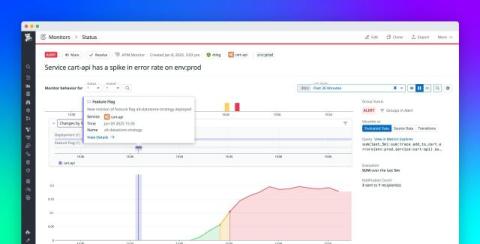
Unify visibility into changes to your services and dependencies with Datadog Change Tracking

In modern application development, changes happen constantly: Deployments are pushed, feature flags are toggled, and Kubernetes events reshape infrastructure, to name just a few. While these practices drive innovation and scalability, they also introduce complexity—especially during incidents. Fragmented tools and workflows across teams and organizations make it difficult to pinpoint the root causes of issues, leading to longer resolution times.

Investing for growth in the data economy

Money makes the world go around and this has never been more true when it comes to the data economy as innovative start-ups seek investment to achieve their ambitions and unlock their potential. Led by insight from Atomico and Realm, this piece - the fifth in our data economy series - will look at the data economy from an investment perspective - what traits do they look for in data-driven companies? How are start-ups approaching it? These are the questions this piece will answer.

Optimizing long-term data retention with Elastic Cloud Hosted: Ensuring compliance and efficiency for government

In the digital era, state and local governments are increasingly tasked with managing vast volumes of data while ensuring compliance with stringent regulatory requirements. These regulations, which can vary significantly depending on jurisdiction, often require the retention of data for extended periods — sometimes ranging from one to seven years.

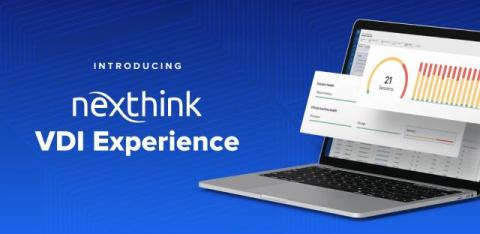
No More Blind Spots: Nexthink Revolutionizes VDI Management

One of the core convictions of the entire DEX movement is that if IT is responsible for the technological experiences of all employees, all the time, it must also have the means to measure and manage those experiences. Without this, it isn’t just an unreasonable expectation—it’s also ineffective for organizations and employees alike. This insight has driven Nexthink to empower IT teams with the tools they need to see, diagnose, and fix every issue.