Monitoring is as important as application development to keep an application running healthy for the best user experience. For this reason, a strong monitoring strategy is essential for your company's success, ensuring that metrics such as constant performance, high availability, and accessibility are never a concern. Many businesses neglect the importance of frontend monitoring for their applications.
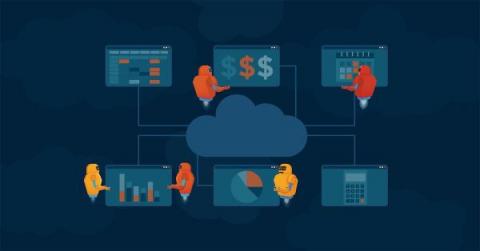
In a recent episode of the Cloud Happens podcast, Archana Venkatraman, Associate Research Director in Cloud Data Management at IDC Europe talks about how the cloud isn’t a destination. It’s a continuum; a journey. In this blog, we explore that idea a bit more and dive into what really encapsulates a cloud experience. How can modern enterprises benefit from their cloud journey to solve the most gnarly data challenges to unlock innovation, enhance security, and drive resilience.
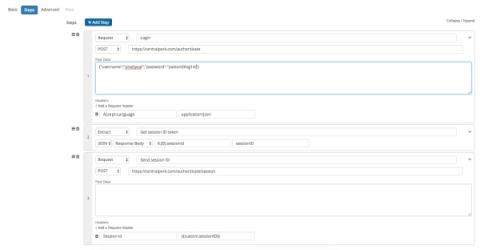
In previous posts we covered why it’s important to monitor APIs and how to monitor and validate data from APIs. In this post we’ll focus on a simple but key feature that helps Splunk Synthetic Monitoring users create robust checks for availability, response time, and multi-step processes: Request Headers
What do big mountain ascents and modern network operations have in common? You’ll only succeed when you’re learning from experience. This was one among many compelling takeaways that attendees took from our recent NetOps Summit. Centered on the theme “visibility anywhere,” this event featured a number of compelling presentations, including a keynote from Jimmy Chin, the professional climber, photographer, and Academy Award-winning filmmaker.
Most folks familiar with BigPanda know that automation is a foundational block of our technology. Our platform automates the entire events pipeline with functions including standardizing and deduplicating alerts, cutting down on the volume of incidents, and automated enrichment that provides better context and alert payloads. But these are all part of an inbound flow of events through integrations.
In this day and age, important business information is more likely found stored on networks and devices than recorded on physical paper. If a disaster strikes and the safety of your data is compromised, having solid backups in place is the key to reduced RTOs (Recovery Time Objective) and having peace of mind. Multiple backup types are available to store and secure your data safely. Let's discuss the different types of backup, their features, and the benefits of each type.
Kubernetes is becoming a dominant platform for running workloads. As the Kubernetes ecosystem continues to advance capturing a wider swath of workloads, eventually your code might be headed to Kubernetes. As a Tech Lead at Shipa responsible for front-end engineering e.g what you see on the screen, my job crosses JavaScript Frameworks and Kubernetes on a daily basis.
Go, often referred to as Golang, is a popular programming language built by Google. Its design and structure help you write efficient, reliable, and high-performing programs. Often used for web servers and rest APIs, Go offers the same performance as other low-level languages like C++ while also making sure the language itself is easy to understand with a good development experience.