Operations | Monitoring | ITSM | DevOps | Cloud

Creating Efficiency for University Operations through Software

University operations play a pivotal role in creating a productive and successful learning environment. These are the foundations upon which the institutions are built. ‍ In order to manage a large number of students, staff, and resources, universities need robust systems that provide real-time data and transparency across all areas of their operations. Universities are complex organizations with a myriad of moving parts. Each university department has its own objectives, budgets, and personnel.
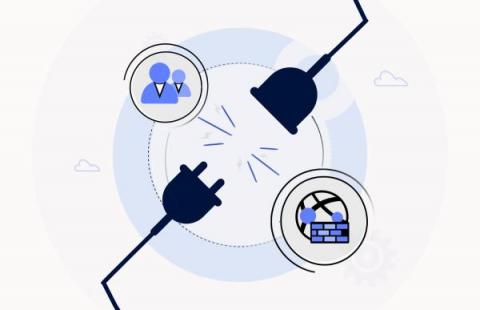
Serverless360 to enable your Security Manager to WAF data

Recently we had an interesting use case from our customer for which Serverless360 mapped a perfect solution. We resolved the issue with the new Log Analytics and Application Insights capabilities from Serverless360. This blog will help you better understand the feature set with a real-time use case.

Data-Aware Security: How to Take a 360 View of Cloud Security

Don’t let your organization fall victim to data exposure; a well-defined strategy will cover all aspects of the cloud shared responsibility model and keep your data secure. Not long ago, security concerns were the number one reason IT executives hesitated to move workloads to the cloud. Much has changed since then. Security is now considered one of the great strengths of both cloud infrastructure and software-as-a-service (SaaS) platforms. But that doesn’t mean total security is assured.

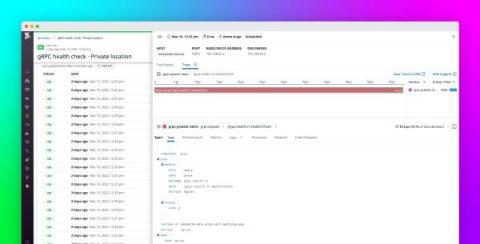
Monitor your gRPC APIs with Datadog Synthetic Monitoring

gRPC is an open source Remote Procedure Call (RPC) framework developed by Google and released in 2016. Although gRPC is still relatively new, large organizations are adopting it in increasing numbers to build APIs to connect complex microservice meshes that use disparate languages and frameworks. gRPC-based APIs can process requests up to seven times faster than REST APIs, and they also allow customers to easily implement SSL authentication, load balancing, and tracing via plug-in libraries.

Debug issues and automate remediation with Shoreline and Datadog

Shoreline is an incident response automation service that enables DevOps engineers and site reliability engineers (SREs) to quickly debug and remediate issues at scale and develop automated routines for incident management. Using Shoreline’s proprietary Op language, customers can run debug commands across all their hosts simultaneously and then deploy custom scripts via Actions to trigger automated remediations.

Heroku Vs. AWS: Data Security Comparison

Heroku and AWS are two of the common choices available for cloud hosting. Heroku is a Platform as Service (PaaS) provider that helps startups develop business applications with simplicity and without needing DevOps expertise in the team. Not only does it provide resources automatically, but you can deploy your applications with just a single click. Heroku has been a top choice for developers for years as it speeds up development cycles by providing fully managed infrastructure and application deployment.

Write an Ecommerce Customer Journey

The ‘Add to Cart’ user journey is one of the most common ecommerce customer journeys used by website owners. For obvious reasons, ensuring potential customers can search, select a product, and checkout successfully is a vital function. Unlike ecommerce customer journey map tools, Synthetic user journey monitoring can assist in creating a positive customer experience by tracking performance metrics, and sending alerts if issues do occur.

4 Common Email Problems Businesses Face (And How To Fix Them)

Staying on top of deadlines, busy schedules, team organization, and customer needs are challenging. If you add some of the common email problems we discuss in this article, your list of challenges can rapidly grow. While it's helpful to have an IT department to deal with technical issues, it's a good idea to know how to fix some of them yourself, so let's get to business.

Hardware Asset Management (HAM) Explained

A well-run IT team keeps track of every asset in their domain, including hardware, software, and licenses. The specific task of managing hardware assets is known as hardware asset management. This involves keeping tabs on hardware from the time it's requested and purchased to the time it's phased out of use and disposed of. As you can imagine, this can be a daunting task when handled manually. Without procedure and special tools, the process can be scattershot and rife with opportunities for error.