Operations | Monitoring | ITSM | DevOps | Cloud

A practical approach to Active Directory Domain Services, Part 10: A study into Group Policies and AD

We have covered a plethora of topics on Active Directory (AD) in parts one to nine of this series on Active Directory Domain Services. In this final and 10th part, we will look at one other crucial aspect of AD—Group Policies and Group Policy Objects (GPOs). We will discuss what Group Policies are and what role GPOs play in the effective setup of any AD environment.


What Are the Best Revenue Models for Your Healthcare Mobile App?

The healthcare industry is one of the most significant sources of economic growth in the world. As a result, it has gained technological acceptance and continues to flourish at an unprecedented pace. COVID-19 has, however, led to more growth in the healthcare sector. Healthcare app downloads have increased by 25% as a result of the pandemic, according to a study. This blog discusses the top revenue models for healthcare mobile apps that you should consider in order to reap huge profits.

Kafka Cloud Service: Top 6 Alternatives for Enterprises 2022

Kafka is an open-source program for storing, reading, and analyzing streaming data. It is open-source, which means it’s free-to-use amongst a big community of users and developers contributing to new features, upgrades, and support on a regular basis. Kafka can run on multiple servers as a distributed system, allowing it to take advantage of each server’s processing power and storage capacity.

Why Preview Environments Are The New Thing in DevOps

Consider the scenario where a complex product is being developed by dozens of engineers working on different features of a product. Not only the development environment is the same, but the staging environment is also shared. As different features are merged into the shared environment, they break the code. So QA has to wait until this is fixed. A feature or bug fix may be working perfectly on the developer’s own machine, but there is no way for the QA team to test that one feature in isolation.

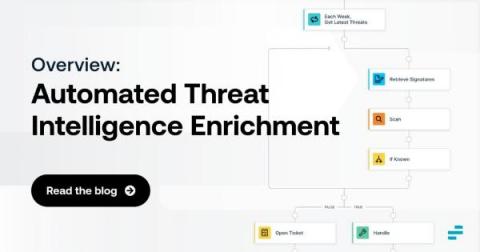
Automated Threat Intelligence Enrichment: An Overview

Discovering security threats is good and well. But, in many cases, simply knowing that a threat may exist is not enough. Instead, you also need threat intelligence enrichment. Threat enrichment plays a critical role in helping to evaluate and contextualize threats, root out false positives and gain the insights necessary to mitigate risks as efficiently and quickly as possible.

What is Real User Monitoring (RUM)? Detailed Guide with Use Cases and Benefits

Near-instantaneous performance. Silky smooth user experience. This is what your digital users are expecting from your web application. If they perceive slowness or encounter failures in their user experience, they will readily switch to a competitor. Failures are a fact of life. The SRE (site reliability engineering) movement is helping craft modern digital systems that are engineered for resilience to failures.

Bloated software: The real killjoy of modern workplace technology

Bloatware, or as we affectionately call it, junkware, has always been a problem for businesses across the globe. These unused and hidden programs that never see the light of day on our smartphones and laptops and yet take up all the space and cripple the performance of the devices are costing businesses billions of dollars every year.

Uptime.com's Guide to Weathering Outage Season

It’s already been a stormy quarter with notable outages exceeding 240 hours. This spring saw two substantial cloud provider outages between Atlassian’s 9 day outage and shorter outages with CloudFlare. As reliance on cloud-based tools and services increases you should be asking, what are the best ways to monitor your site and make sure the data you’re reporting accurately reflects your site’s downtime and SLAs?

Kubernetes on the Edge: Getting Started with KubeEdge and Kubernetes for Edge Computing

Developers are always trying to improve the reliability and performance of their software, while at the same time reducing their own costs when possible. One way to accomplish this is edge computing and it’s gaining rapid adoption across industries. According to Gartner, only 10% of data today is being created and processed outside of traditional data centers.

What Is a Secure SDLC?

The Software Development Lifecycle (SDLC) framework defines the entire process required to plan, design, build, release, maintain and update software applications, including the final stages of replacing and decommissioning an application when needed. A Secure SDLC (SSDC) builds on this process, integrating security at all stages of the lifecycle. When migrating to DevSecOps (collaboration between Development, Security, and Operations teams), teams typically implement an SSDLC.