Operations | Monitoring | ITSM | DevOps | Cloud

Benefits of Distributed Computing Systems to the Modern-Day Tech Businesses

The concept of distributed computing systems is relatively new. However, it has already gained immense popularity among modern-day tech businesses. This popularity is because distributed computing systems are easy to implement and offer a range of benefits that can help any business. This article will help to understand why they make sense for your business.

5 reasons why accurate data and checkpoint selection matter

There’s an old saying that “knowledge is power” and no matter how you choose to interpret its meaning, nothing could hold true more when it comes to the quality and quantity of information derived from your website monitoring service. When data fails to meet expectations for quality, validity, and consistency, it can have wide-spread negative effects on company operations and key strategies.

5 common Java performance problems and how to avoid them using java monitoring tools

Java is one of the most widely used programming languages and it’s often used by back-end developers as a server-side language. It’s used by über-famous applications like Spotify, Twitter, Signal, and Cash App. Java has evolved immensely over the years and in addition to being easy to write, compile, and debug, it’s also more secure, portable, and effective in memory management compared to other languages.

Ninja Quick Guides: How to Get Device Warranty Info Remotely

Keeping track of and maintaining IT assets is essential for a successful business. However, Capterra reports that businesses are reacting instead of preventing maintenance issues 80% of the time. Proactive IT asset management is made possible with a current and accurate IT asset inventory.

ASUS IoT and Canonical partner on Ubuntu Certification for IoT Applications

TAIPEI, Taiwan, September 14, 2022 — ASUS IoT, a global AIoT solution provider, today announced a partnership agreement with Canonical to certify the device manufacturer’s boards and systems with Ubuntu 20.04 LTS. ASUS IoT devices are used in a wide range of edge computing applications. New devices like the PE100A will be certified for optimised performance with Ubuntu, ensuring faster development times and ease of configuration.

FAQ: MLOps with Charmed Kubeflow

Charmed Kubeflow is Canonical’s Kubeflow distribution and MLOps platform. The latest release shipped on 8 September. Our engineering team hosted a couple of livestreams to answer the questions from the community: a beta-release webcast and a technical deep-dive. In case you missed them, you can read the most frequently asked questions (FAQ) about MLOps and access helpful resources in this blog post. Note that you can also watch the videos on Youtube: Beta-release & a technical deep-dive.

What is DevOps? A Comprehensive Guide

The term DevOps is a combination of the words “development” and “operations.” In practice, DevOps is a collaborative approach to the work that is performed by an enterprise’s IT operations staff and their application developers. Collaboration and communication between these two teams, who might otherwise function separately, are meant to increase the speed and quality of product or application releases.

Grafana Cloud Metrics: A guide to what metrics to monitor and best practices

Metrics are the cornerstone of an observable system – they tell you a system’s measured outputs, granting visibility into what your customers are experiencing and when there’s a problem. However, not all methods for recording and saving metrics from a system’s output are alike. The best method for shipping your system’s metrics to Grafana Cloud depends on many factors, varying from the source of your metrics data to your familiarity with observability tools.

GitOps your service orchestrations

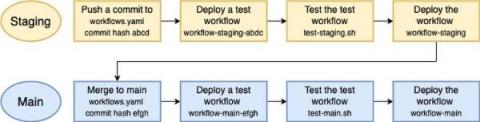
GitOps takes DevOps best practices used for application development (such as version control and CI/CD) and applies them to infrastructure automation. In GitOps, the Git repository serves as the source of truth and the CD pipeline is responsible for building, testing, and deploying the application code and the underlying infrastructure. Nowadays, an application is not just code running on infrastructure that you own and operate.