Operations | Monitoring | ITSM | DevOps | Cloud

8 Secret Struggles Today's MSPs Are Dealing With

In the managed services industry, there’s no shortage of support. Whether online or in person, there are countless ways to connect with other MSPs, share stories, and provide tips and tricks to help you build your business—and overcome MSP struggles and biggest challenges. And while MSPs are willing to share industry trends they’re taking advantage of, they’re not always willing to talk about the ones they’re losing sleep over.
TL;DR InfluxDB Tech Tips: Joins

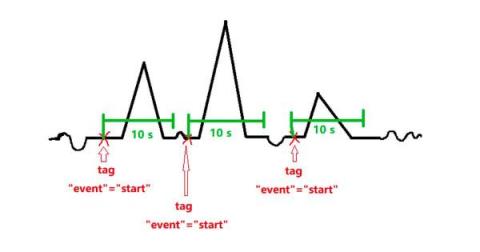
If you’re an InfluxDB user you’ve almost certainly used the join() function. The join() function performs an inner join of two table streams. It’s most commonly used to perform math across measurements. However, now it is deprecated in favor of the join.inner() function which is part of the new join package. With the addition of the join package, Flux now has the ability to perform the following types of joins: A visualization of different types of joins from this article.

VictoriaMetrics Monitoring

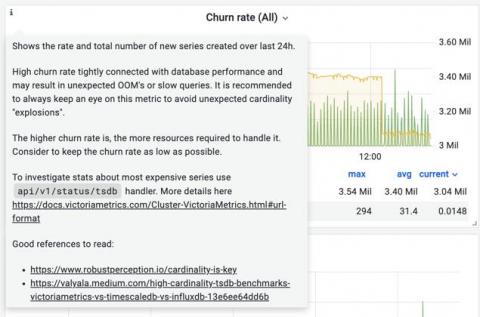
Share: VictoriaMetrics is a monitoring solution. It was designed to collect and process telemetry from many systems, provide a retrospective view, and forecast metrics for capacity planning. But what about monitoring VictoriaMetrics itself? There is one of the software development approaches called Observability Driven Development (ODD). In a nutshell, it means that developers should always keep in mind that software needs to be transparent to the person who uses it. Does your software make backups?

Synthetic Monitoring of Microsoft AVD Service Levels

We recently announced a FREE ready-to-go standalone SaaS logon simulator tool for Microsoft AVD, available here. This joins our fully featured logon simulator available for use on-premises, as SaaS or in the cloud within our synthetic monitoring suite. A logon simulator, whilst a useful tool, should be used in conjunction with other synthetic and real user monitoring tools for a truly proactive IT strategy designed to prevent real users encountering issues and raising support tickets.

What is the Difference Between Stockout and Shortage in Terms of Inventory Management?

Lots of people believe that inventory management can be done easily. Inventory management is not a simple task especially when you have multiple work locations. There are several issues that can occur in inventory management which can be harmful to business. One of the major inventory management issues is stock-out. However, lots of people use stock-out in the place of inventory shortage & vice versa. But both are different terms. What is the difference between them?

Building a more resilient business with the Now Platform Tokyo release

Organizations today—and the people who run them—face unprecedented challenges. Executives are under pressure to make faster, smarter decisions and drive innovation while struggling to maintain day-to-day operations. Leaders are betting on platforms they trust to help them thrive in uncertain times. The Now Platform® Tokyo release is designed to tackle complex, interconnected problems and deliver value across the enterprise. It helps boost efficiency and business resilience.

Key Observability Scaling Requirements for Your Next Game Launch: Part II

In Part I in our series outlining best practices for scaling observability, we reviewed the data analysis capabilities that can help engineers troubleshoot faster during high pressure situations during a game launch. Nobody wants lag time or crashes in their game launch. Similarly, no one wants terminated sessions or for your gamer customers to log off and play a competitor’s game.

Is Your Mac Spying On You? Maybe It Should be

What would you call software installed on your Mac, that’s hidden from sight, difficult to remove, and that silently monitors everything that happens on the system? You might call it spyware, or a RAT (Remote Access Trojan), and start thinking about how best to get rid of it. However, that same description can also be applied to the software that’s used to keep your machine safe from such threats.

What are the new stages of incident management?

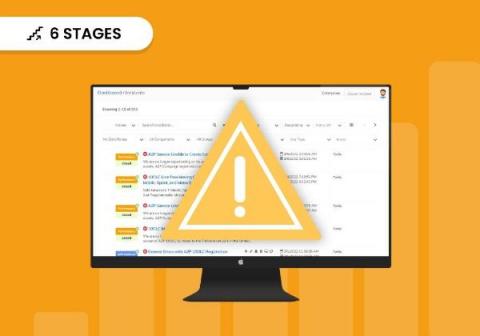
Good communication is at the core of any incident management process, empowering stakeholders with the information they need to avoid lost productivity. Delivering the right message through the right channel to the right people across the enterprise is key – if you’re simply firefighting and communicating reactively, stakeholders will likely get frustrated.