(Re)Create Apache Kafka topics with Terraform
Terraform can orchestrate your infrastructure the same way every time, giving you confidence in your consistent platform. Idempotency for the win.


A lot is expected of automation in IT environments in the next few years. By 2024 Gartner predicts IT automation will drive a 20% reduction in unplanned downtime and lower operational costs by 30%. At the same time, the efficiencies generated by IT automation and analytics will allow organizations to refocus 30% of their IT operations management resources from support to “continuous engineering.”
As mentioned in our documentation, Cribl Stream is built on a shared-nothing architecture. Each Worker Node and its processes operate separately and independently. This means that the state is not shared across processes or nodes.This means that if we have a large data set we need to access across all worker processes, we have to get creative. There are two main ways of doing this: In this blog, we’ll walk through how to deploy a Stream leader, Stream worker, and Redis containers via Docker.
The telecommunications industry led the charge on technology adoption decades ago. Now the industry is facing a severe technology debt. As customers demand faster and better products, companies must somehow update or adapt legacy infrastructure to deliver cutting-edge services. To keep up, executives are making bold choices: investing billions in infrastructure to keep up with demands for digital services and building workflows to eliminate silos between departments.
Customers can now integrate Cloudsmith with Roadie, letting users monitor key Cloudsmith data within the Roadie developer portal. Cloudsmith has just announced an exciting new integration with Roadie, a start-up that provides SaaS for Backstage, a service catalog open-sourced by Spotify that automatically tracks your microservices. Organizations use Roadie to build a software catalog and developer portal for internal systems, centralizing information in one convenient location.
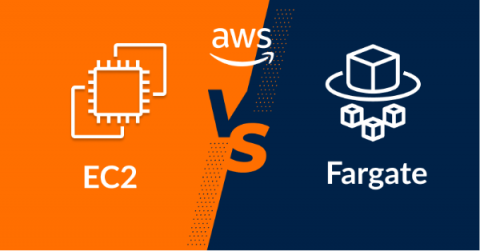
Amazon Elastic Container Service (ECS) is a fully managed container orchestration service that enables users to easily run, manage and scale containers on AWS. With ECS, you can deploy containers either on a cluster of Amazon EC2 instances or on AWS Fargate, a serverless computing engine for containers. In this article, we’ll look at how these two launch types compare and explore how to start using them.
I recently delivered an N-able N-central Bootcamp called 15 things you can (and should) automate, shortly after that I also delivered another bootcamp called 15 MORE things you can (and should) automate. After doing a little prep for the second on, this reminded me of a particular automation policy we have in the Automation Cookbook that allows you to remove Bloatware from your customers’/end users’ computers.
Azure Blob Storage is a fully managed, scalable, and reliable object storage service provided by Microsoft Azure. One of the key features of Azure Blob Storage is the ability to create and organize data in containers called “folders.” In this blog post, we’ll take a closer look at how folders work in Azure Blob Storage and how you can use them to organize and manage your data.