Operations | Monitoring | ITSM | DevOps | Cloud

How to determine the source of SaaS latency

One of the positive things that came out of events in 2020 was that many of us started working from home. At first, it was kind of weird. But once we realized that what we needed was available online, it became easier. All we had to do was figure out a few new apps, like Slack, Asana and Google Docs. Then, after a couple of weeks of working from home, many of us started having thoughts like, “I wonder if I could wear shorts and my favorite slippers?
Achieve Breakthrough Performance in Your Microsoft Environment

In a world where 1.145 trillion MB of data is generated every day, the art of database management has become more important than ever. I use the word “art” because it captures a sense of the wizardry needed to effectively manage data. After all, our world is dominated by mobile devices and hybrid IT environments. Database migrations happen regularly, and data resides both on-premises and in the cloud. All these things have brought a new complexity to database management.

Announcing the JFrog Slack App for Artifactory and Xray Cloud

Imagine a world where every team member could directly contribute to software together. We’re living in that world now. With more than 10 million daily active users, Slack is one of the most ‘lived in’ collaboration tools used by software development teams around the world.

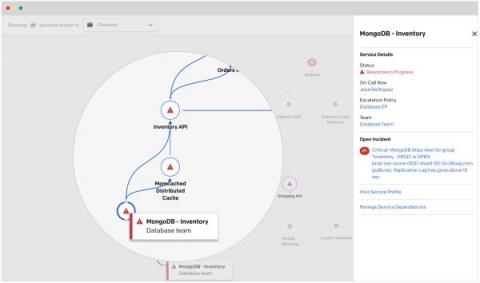
Visualize and manage all of your services in one place with Dynamic Service Graph

In this digital era, technology systems are becoming increasingly complex. No longer can a single SME (subject matter expert) understand every facet of the system they run. Instead, much of this knowledge is siloed and exists as tribal knowledge within certain teams. Additionally, the rate of change is faster than ever, with code deploying and new services shipping at a rate unimaginable a few years ago.

Serverless Cost Optimization: 4 Ways To Lower Your Costs

Serverless services save time. When you switch to serverless architecture, you offload redundant cloud management activities to your cloud provider and gain more time to focus on the most important parts of your business — development and innovation. Even better, you only pay for what you use, so you don’t have to worry about committing to reserved instances or committing to a savings plan. But there’s a catch.

Keeping employees safe, well, and productive in hybrid work

Although parts of life have been put on pause due to the pandemic, our relationship with work hasn’t stalled away from the office. But working from home has profoundly changed the structure and flow of work. Employers and employees are collaborating to define what “workplace” means in 2022 and beyond.

Proximity Bias is a Serious Concern for Young Workers - How Can You Avoid It?

We’ve all experienced a bit of FOMO at one time or another, whether we stayed home sick the night of a party or failed to score tickets to a big concert. It stings to miss out on the fun, but we get over it. In the era of remote work, however, ‘fear of missing out’ has taken on a more consequential meaning – one that is troubling the minds of many young professionals.

History of Open Source Identity Management (part 1)

Few computing concepts are as ubiquitous as identity and access management. There isn’t a single day that goes by without us being asked for credentials, passwords or pin codes. Yet very few know the origins and the evolution of the technologies behind them. This is the first of two blog posts where we will look at the history of open-source identity management. We will cover the main open-source protocols and standards that shaped it, from its origins to the modern days.

How to Optimize Your Cyber Security and Performance Monitoring Tools Using Load Balancing

The capacity to scale and process high data traffic by monitoring appliances is a critical requirement for organizations aiming to enhance or improve their security and protection from external threats. Excessive incoming traffic demands high-monitoring capabilities as it overwhelms the monitoring tools and places computational bounds that increase exponentially.

Observability in Practice

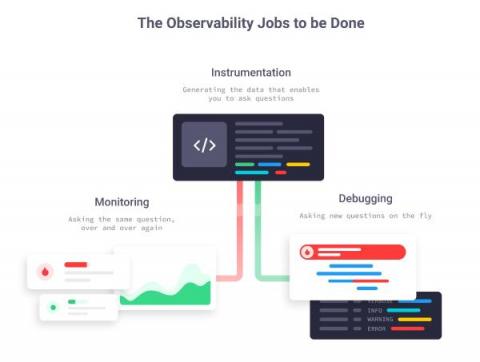
After years of helping developers monitor and debug their production systems, we couldn’t help but notice a pattern across many of them: they roughly know that metrics and traces should help them get the answers they need, but they are unfamiliar with how metrics and traces work, and how they fit into the bigger observability world. This post is an introduction to how we see observability in practice, and a loose roadmap for exploring observability concepts in the posts to come.