Operations | Monitoring | ITSM | DevOps | Cloud

Forrester report: ServiceNow debuts as a Strong Performer in RPA

I’m incredibly thrilled to share that, in our very first year of entry, ServiceNow has been named a Strong Performer in The Forrester Wave™: Robotic Process Automation, Q1 2023. We believe this validates the impact of our product vision and current capabilities in this market. More importantly, we think it’s proof that our customers are reaching their business goals.
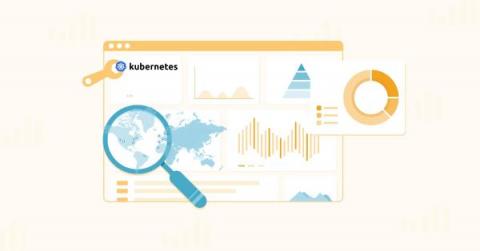
How CloudZero Unlocks Kubernetes Costs Better Than Anyone

For SaaS companies, cloud spending can mean the difference between profit and loss. Staying on top of cloud spend is an absolutely crucial part of running a healthy cloud-based business. But tracking even the relatively straightforward cloud costs from your primary providers can be tricky.

Functional safety in automotive: contributing to ISO 26262 and ISO 21434 standards

If you’ve been reading our recent automotive blogs and white papers, you know that the automotive industry is highly complex and regulated, especially when it comes to functional safety and cybersecurity. Standards and consortiums help ensure that companies provide a common framework and follow compatibility and interoperability approaches. Usually, these standards define constraints in how specific components and systems are designed or how they should work together.

How to add context to errors with custom tags

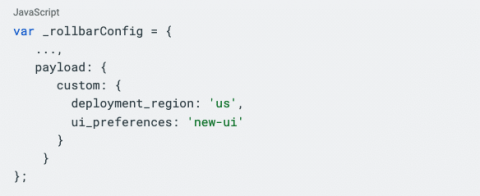
An important component of understanding the root cause of an error, and the importance of an error to the business is having additional contextual information about the error. The specific additional data that is important for your errors will be unique for your application and possibly the category of the error. Rollbar provides an easy way to tag your error data with additional custom tags. There are 2 main ways of doing this.

Deploys Are the WRONG Way to Change User Experience

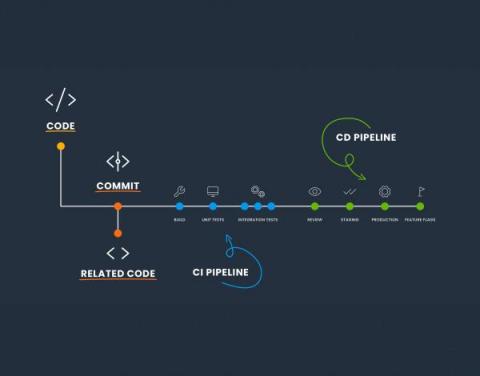
I'm no stranger to ranting about deploys. But there's one thing I haven't sufficiently ranted about yet, which is this: Deploying software is a terrible, horrible, no good, very bad way to go about the process of changing user-facing code. It sucks even if you have excellent, fast, fully automated deploys (which most of you do not). Relying on deploys to change user experience is a problem because it fundamentally confuses and scrambles up two very different actions: Deploys and releases.

What is Latency? The Hitchhiker's Guide to the Latency: Why it Matters, and How to Minimize It

“Would it save you a lot of time if I just gave up and went mad now?”― Douglas Adams, The Hitchhiker's Guide to the Galaxy In today's digital world, we rely on fast and reliable internet connections for everything from business operations and communication. However, even the fastest internet connection can be slowed down by network delay, also known as latency.

Shooting for the Stars: Achieving Optimal Network Performance through Cisco SD-WAN Network Monitoring

Greetings, fellow network administrators. The Force has led you here, to this article on the path to Cisco SD-WAN network monitoring. The art of network administration is not unlike that of mastering the ways of the Force - it requires patience, discipline, and a deep understanding of the interconnected systems at play. Warning! No characters were harmed in the making of this article. We seek to achieve perfect balance in all aspects of our lives, including our networks.

Playwright Explained

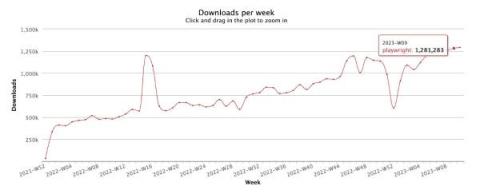
Playwright is an open-source framework for cross-browser automation and end-to-end web application testing. It was designed to be a fast, reliable, robust, and evergreen test automation framework, and its API supports modern rendering engines that include Chromium, WebKit, and Firefox. Playwright tests run on Windows, Linux, and macOS, locally or on your continuous integration pipeline, and headless or headed.

Observability Data vs Data Observability: What's the Difference?

Fun fact: Observability goes all the way back to the 1960s, coined by scientist Rudolf Kálmán as a way to measure a system through its output. Now, over six decades later, observability has fragmented into several specialized segments — from application observability, to security observability, and everything in between. The two segments driving the most confusion are data observability and observability data.