Operations | Monitoring | ITSM | DevOps | Cloud

Introducing the Notification API

You'll often hear us saying "everyone loves a dashboard", and that's most certainly true, but nobody loves staring at a screen all day waiting for something to happen. Real magic is when your awesome dashboard comes to you, where you need it, when you need it. Over the last few months we've introduced a bunch of powerful features to make "taking action" as simple as possible... Monitors let you define the health of your data so you can see at a glance if something isn't right.


A story about HTTP status codes and why you should read documentation

Since 2020, I’ve been working on an Express (Node.js framework) application to power viewer interactions and events that happen whilst I’m streaming live coding on Twitch — my Twitch bot. Since using Sentry for error monitoring and crashes using the Sentry Node SDK, I’ve already squashed quite a few bugs that were entirely a result of my own terrible code.

What Do Developers Need to Know About Kubernetes, Anyway?

Stop me if you’ve heard this one before: you just pushed and deployed your latest change to production, and it’s rolling out to your Kubernetes cluster. You sip your coffee as you wrap up some documentation when a ping in the ops channel catches your eye—a sales engineer is complaining that the demo environment is slow. Probably nothing to worry about, not like your changes had anything to do with that… but, minutes later, more alerts start to fire off.

Distributed Tracing: Your Ultimate Guide

When all your IT systems, your apps and software, and your people are spread out, you need a way to see what’s happening in all these minute and separate interactions. That’s exactly what distributed tracing does. Distributed tracing is a way to tracking requests in applications and how those requests move from users and frontend devices through to backend services and databases.

Proactive error management: Collaborate effectively and work smarter with tags

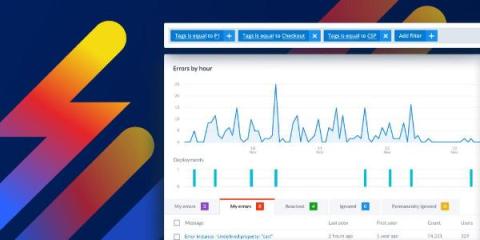
Talking to many of our customers with different needs and use cases, one particular issue comes up all the time. When I’m seeing so many error groups in my app and so many error notifications in my inbox every day, it’s easy to end up feeling overwhelmed. I want a more proactive system to alert me to which errors need attention and when, so that I can stop getting buried. Does this hit home?

Router Monitoring with Grafana

Routers are essential for connecting devices. Routers decide where the internet goes and how fast it should be. Because they play such a crucial role, it's vital to keep an eye on them and make sure they're doing their job well. This act of keeping an eye on routers is what we call "router monitoring." Monitoring routers isn't just about checking how the routers are doing; it's about making sure the whole network works well.

LM Co-Pilot: Your AI Co-Pilot for the Magical Streamlining of IT and Cloud Operations

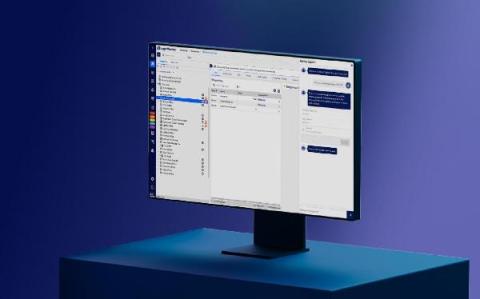
LogicMonitor’s Generative Intelligence Solution for IT Teams Cutting-edge generative technologies have revolutionized our industry, paving the way for fresh and innovative approaches to deliver interactive and actionable experiences. At LogicMonitor, we firmly believe in leveraging these generative techniques across our platform, offering a uniquely dynamic support system for various aspects of our end-user experience.

What is SLA? How to Handle SLA Breaches?

Service Level Agreements (SLAs) are foundational contracts that define the expectations and commitments between service providers and their customers. These agreements outline the quality, performance, and availability of services, setting the stage for a harmonious relationship. However, as service environments grow increasingly complex, the risk of SLA breaches looms ever larger.