Operations | Monitoring | ITSM | DevOps | Cloud

The Forensics Of React Server Components (RSCs)

In this article, we’re going to look deeply at React Server Components (RSCs). They are the latest innovation in React’s ecosystem, leveraging both server-side and client-side rendering as well as streaming HTML to deliver content as fast as possible. We will get really nerdy to get a full understanding of how RFCs fit into the React picture, the level of control they offer over the rendering lifecycle of components, and what page loads look like with RFCs in place.

The Promise and Pitfalls of Remote Patient Monitoring

Remote patient monitoring (RPM) is a growing field that allows medical professionals to track a patient's vital signs and other health metrics from afar. This emerging technology shows great promise for expanding access to care, improving outcomes, and reducing costs. However, making the most of RPM requires overcoming some substantial hurdles.
Sponsored Post

Decoding Database Deadlocks: Five-Stage Strategy for Industry Resilience

In database management, a seemingly silent adversary - database deadlocks - casts a shadow over the operational efficiency of industries. Picture a scenario where critical processes come to a sudden standstill, entangled in a web of deadlocks. This challenge transcends mere technical complexities; it has the potential to disrupt entire operations.

10 Tips to Choose the Right Infrastructure Monitoring Tool for your Business

In today’s time, most businesses use cloud-native technologies and digital infrastructure to stay ahead of their competitors. The excessive dependency on these technologies is resulting in a distributed IT infrastructure that is quite challenging to manage and grow without the right tools and practices. Ensuring proper health and performance of IT infrastructure is crucial to achieving organizational goals and keeping end-users satisfied. This is where infrastructure Monitoring comes into practice.

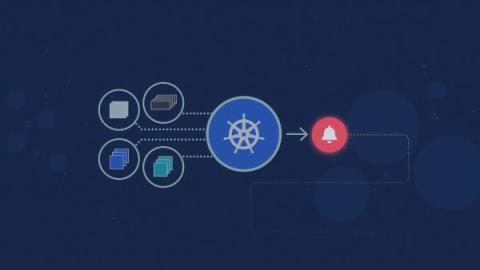
Kubernetes Alerting: 10 Must-Have Alerts for Proactive Monitoring

Running a Kubernetes cluster includes keeping an eye on it to make sure your apps and services are healthy. You don’t want to be staring at a bunch of Kubernetes dashboards all day, though. You want to set up kubernetes alerting with appropriate alerts instead, right? With k8s alerts, you will spot problems quickly in your Kubernetes cluster and hopefully fix them quickly as well. But what should you alert on? Here are the top 10 most important alerts you should set up for your Kubernetes cluster.

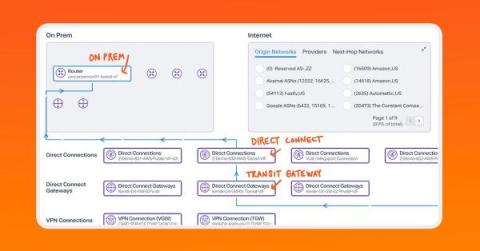
The Importance of Hybrid Cloud Visibility

Hybrid cloud environments, combining on-premises resources and public cloud, are essential for competitive, agile, and scalable modern networks. However, they bring the challenge of observability, requiring a comprehensive monitoring solution to understand network traffic across different platforms. Kentik provides a unified platform that offers end-to-end visibility, crucial for maintaining high-performing and reliable hybrid cloud infrastructures.

Best practices for using DORA metrics to improve software delivery

Software development and delivery requires cross-team collaboration and cross-service orchestration—all while ensuring that organizational standards for quality, security, and compliance are consistently met. Without careful monitoring, you risk a lack of visibility into delivery workflows, making it difficult to evaluate how they impact release velocity and stability, developer experience, and application performance.

How to use Grafana Beyla in Grafana Alloy for eBPF-based auto-instrumentation

At GrafanaCON last month, we announced Grafana Alloy, our open source distribution of the OpenTelemetry Collector. Alloy is a telemetry collector that is 100% OTLP compatible and offers native pipelines for OpenTelemetry and Prometheus telemetry formats, supporting metrics, logs, traces, and profiles. Today, we are excited to share that Grafana Beyla is now available in Grafana Alloy as the default eBPF-based application auto-instrumentation solution.