Operations | Monitoring | ITSM | DevOps | Cloud

Beyond Their Intended Scope: BGP Goof-UPX

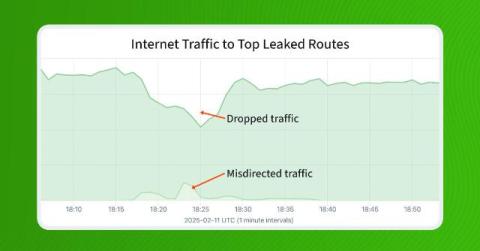
In this second installment of Beyond Their Intended Scope, we analyze a recent BGP leak out of Brazil that briefly affected networks around the world. Because this routing mishap was a path leak (i.e., did not involve any mis-originations and therefore immune from RPKI ROV protection), it demonstrates why we need a thing called ASPA … ASAP.

Enhancing Network Reliability: How to Measure, Test & Improve It

Whether you're a business owner or an IT pro, you know that a solid network is the foundation of your organization’s success. And that’s where Network Reliability comes in. Think about it: a key video call with a client, a crucial file transfer right before a deadline, or an online transaction on your e-commerce site. What do they all have in common? They all depend on a network that just works—no glitches, no interruptions.

Effortless, Cost-Effective VMware Monitoring with NiCE

Managing a VMware environment can be complex, time-consuming, and expensive — unless you have the right monitoring solution. At NiCE, we pride ourselves on delivering intuitive, cost-effective monitoring solutions that simplify IT operations. One of our recent customers shared their experience with the NiCE VMware Management Pack, and their words speak for themselves.

Integrating FinOps and ITSM for Optimal Cloud Cost Management

The adoption of cloud computing has revolutionized how businesses manage IT infrastructure accountability and budget control. As cloud offerings become increasingly complex and scalable, modern business environments demand improved financial management practices. Through its data-driven and collaborative approach, FinOps IT Service Management bridges the gap between engineering teams, business units, and finance departments, ensuring maximum cloud benefit consumption while optimizing expenses.

Why use Playwright in Catchpoint for synthetic monitoring

Modern websites demand constant oversight to ensure every click, login, and checkout runs smoothly. That’s where synthetic monitoring shines: it acts like a tireless, virtual visitor that spots performance hiccups before they can bother real users. Our Internet Performance Monitoring (IPM) platform features Playwright support. You can run new or existing Playwright scripts with little to no changes.

Introducing the Middleware Adoption Journey

Middleware plays a crucial role in modern IT infrastructure by enabling seamless communication between applications, systems, and services. It facilitates data exchange, enhances interoperability, and supports various business functions by providing capabilities like messaging, transaction management, and integration services. Over time, middleware has evolved from simple message brokers to sophisticated platforms supporting APIs, cloud computing, microservices, and event-driven architectures.

An Easy Guide to OpenFeature Flagging

In software development, feature flags have become an essential tool for teams looking to deploy code with more control and agility. OpenFeature flagging, in particular, stands out as an open-source standard that’s revolutionizing how teams manage feature rollouts, experiments, and toggling. In this guide, we’ll understand what OpenFeature flagging is, its key benefits, how to implement it, and best practices to help you get the most out of it.

What is DynamoDB Throttling and How to Fix It

When you're working with DynamoDB, one of the most critical things you need to keep an eye on is throttling. If you're not careful, throttling can severely impact your database's performance. It’s not just about slower response times—throttling can lead to system failures or unexpected downtime if not addressed properly.

Wiring Up a Next.js Self-Hosted Application to Honeycomb

Are you attempting to connect Honeycomb to a standalone (not hosted with Vercel) Next.js application? Most of the Next.js OpenTelemetry samples in the wild show how to connect Next.js to Vercel’s observability solution when hosting on their platform. But what if you’re hosting your own standalone Next.js server on Node.js? This blog post will get you started ingesting your Next.js application’s telemetry into Honeycomb.