Operations | Monitoring | ITSM | DevOps | Cloud

Understanding Syslog Formats: A Quick and Easy Guide

Syslog is the backbone of logging in many Linux and Unix-based systems, playing a crucial role in monitoring, debugging, and auditing. But not all syslog messages are created equal. Depending on your system, software, and logging configuration, syslog messages may follow different formats. This guide walks you through the different syslog formats, why they matter, and how to work with them effectively.

What is agentic AIOps, and why is it crucial for modern IT?

Every minute of system downtime costs enterprises a minimum of $5,000. With IT infrastructure growing more complex by the day, companies are put at risk of even greater losses. Adding insult to injury, traditional operations tools are woefully out of date. They can’t predict failures fast enough. They can’t scale with growing infrastructure.

Managing resource contention in Google App Engine: Best practices for optimal performance

Use case 1: When unexpected traffic surges lead to slower responses A sudden surge in user traffic during a high-demand event causes strain on resources in a cloud-based application running on App Engine. The platform automatically scales instances to handle the increased load, but since compute resources are shared, some instances experience CPU throttling. This leads to slower response times, delayed processing of critical operations, and potential errors that impact user experience. How to resolve it.

What is Time Series Data?

Time series data is particularly prevalent, seen across numerous different industries and use cases. It offers significant value to various organizations, highlighting the importance of effectively monitoring and analyzing the data. By analyzing and monitoring time series data you can understand trends, patterns, and anomalies in sequential data collected at many points in time.

FOSDEM 2025 recap

In case you haven’t heard about it yet, FOSDEM (Free and Open Source Software Developers’ European Meeting) is a huge, free, gathering for open-source software enthusiasts that happens every February in Brussels, Belgium. It’s a non-profit event put together by the community, and it’s one of the biggest of its kind - we’re talking about around 10,000 people from all over the world coming to hang out and talk about all things open source.

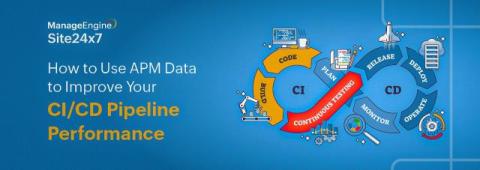
How to use APM data to improve your CI/CD pipeline performance

Agile production has become the norm for software development cycles. The backbone for such a fast-paced landscape is the continuous integration and continuous delivery (CI/CD) pipeline. But merely depending on the CI/CD pipeline isn’t enough, even though the automated workflows give you a competitive edge. The pipeline needs to be optimized to function at its best. This is where monitoring your applications within the pipeline can be a game-changer.

Scraping NGINX Metrics with OpenTelemetry & Exporting to Carbon

Looking for a straightforward way to collect NGINX metrics with OpenTelemetry and send them to your Graphite-based monitoring setup? Unlike Prometheus, which requires configuring scrape jobs and query language nuances, Carbon/Graphite offers a simpler setup with minimal overhead—just send metrics as plain text and query them easily with familiar tools like Grafana. Whether you're setting up dashboards, alerts, or just keeping an eye on traffic, this guide will get you actionable insights in no time!

The ROI of Developer-First Observability: Why It's a Game Changer

In today’s fast-paced software landscape, downtime is costly, debugging is time-consuming, and developers are constantly under pressure to resolve issues quickly. Observability tools have traditionally been built for operations and SRE teams, focusing on post-mortem analysis rather than proactive debugging. When developers gain real-time insights into live applications and fix issues without disrupting the software lifecycle it has been proven to be a game changer for a myriad of reasons.

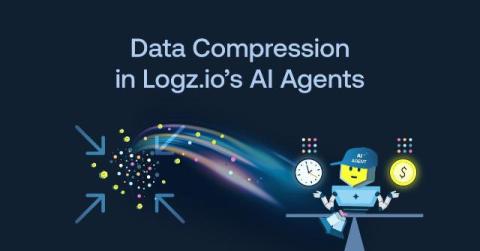
The Advanced Data Compression Techniques That Quietly Power Logz.io's AI Observability Agents

As an observability leader, at Logz.io, we pride ourselves on continuous innovation. That’s why, last year, we released our AI agents to revolutionize observability by helping businesses, and their engineering and DevOps teams, automate data analysis and root cause analysis. The primary way in which engineering and DevOps teams interact with the agents is by asking performance, troubleshooting, and optimization-related questions.