Operations | Monitoring | ITSM | DevOps | Cloud

Integrating OpenTelemetry with Grafana for Better Observability

Modern application observability is essential for ensuring system performance, diagnosing issues, and optimizing user experiences. OpenTelemetry (Otel) and Grafana serve as two key components in achieving end-to-end visibility. While OpenTelemetry focuses on instrumenting applications to collect telemetry data, Grafana specializes in visualizing this data, making it actionable and insightful.

OpenTelemetry UI: The Ultimate Guide for Developers

If you’ve ever struggled with understanding distributed traces, managing metrics, or debugging complex applications, OpenTelemetry is your best friend. But what about the OpenTelemetry UI? How do you visualize and interact with all that telemetry data? In this guide, we’ll explore the best ways to use OpenTelemetry’s UI options, from setting up a proper observability stack to choosing the right front-end visualization tools.

How APM and synthetic monitoring work together for better performance

Imagine this: A customer tries to log in to your app, but the page takes too long to load. Frustrated, they leave. Meanwhile, your IT team has no clue there was an issue—until complaints start pouring in. Sound familiar? Performance lags are the new downtime. Lags are not just an inconvenience—they lead to lost revenue and frustrated users. To prevent this, organizations turn to application performance monitoring (APM) and synthetic monitoring to maintain peak application performance.

Transform Data with the New Python Processing Engine in InfluxDB 3

In early January, we announced the launch of InfluxDB 3 Core and InfluxDB 3 Enterprise in public alpha. One of the newest included features is the InfluxDB 3 Processing Engine–a Python-based VM built to enable data transformation, enrichment, downsampling, alerting, and more, all from within the database itself. One month later, we’re excited to deliver a big update enabling new ways to interact with and transform your data.

Logging vs. Metrics

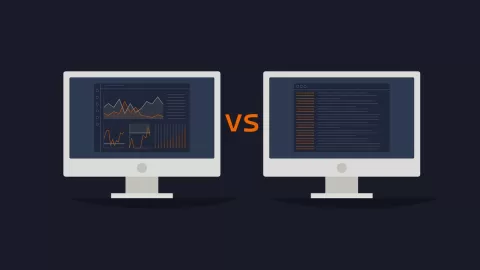
When discussing observability, the “big 3” - logs, metrics, and traces, always get mentioned. But for some, more data doesn’t always mean better. Our lead engineer, JJ, had some advice to share about how logs may not be necessary for everyone. Simplifying your observability stack isn’t difficult - you just need to be intentional with implementation. Check out more MetricFire blog posts below, and our hosted Graphite service! Get a free trial and start using MetricFire now!

The integration directory is here!

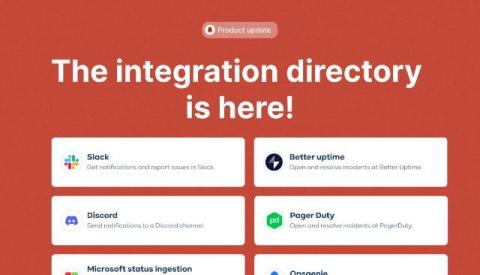
Keeping your team informed about service disruptions has never been easier. The StatusGator Integration directory, available in the Menu on our website, allows you to explore all the integrations we support in one place. From collaboration tools to incident management platforms, we help you integrate status updates seamlessly into your workflow.

Grafana Cloud updates: Exemptions in Adaptive Logs, GPU monitoring in AI Observability, and more

We consistently roll out helpful updates and fun features in Grafana Cloud, our fully managed observability platform powered by the open source Grafana LGTM Stack (Loki for logs, Grafana for visualization, Tempo for traces, and Mimir for metrics). In case you missed them, here’s our monthly round-up (the first of 2025!) of the latest and greatest Grafana Cloud updates. You can also read about all the features we add to Grafana Cloud in our What’s New in Grafana Cloud documentation.

Investigating Kubernetes Issues with Papertrail

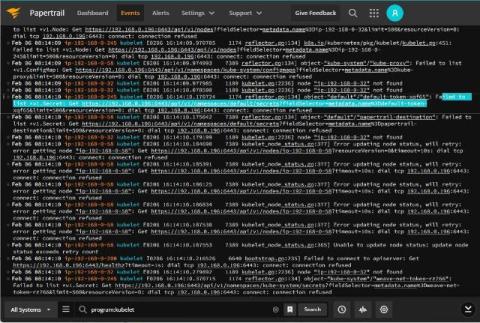
While Kubernetes aims to streamline containerized application management, its multi-layered architecture creates potential points of failure. Problems in any of these layers can manifest as application crashes, resource overutilization, or failed deployments, making cluster maintenance a persistent challenge. Kubernetes meticulously logs all aspects of cluster activity and application output, from individual Pods to ReplicaSets.

Bindplane Expands Partnership with Google Cloud

We're only one month into 2025, but the momentum keeps building at Bindplane. In January, we rebranded our company as Bindplane, aligning our company name with our core mission: delivering the best OpenTelemetry-native telemetry pipeline on the market. Building on that excitement, we have another announcement: we've expanded and extended our partnership with Google Cloud.

What Are Network Packets & How to Monitor Them: The Secret Life Of Network Packets

Ever wonder how the Internet actually works? It’s not just magic (though it sometimes feels that way). Behind every webpage you load, every video call you make, and every meme you send, tiny digital messengers called network packets are zipping through cyberspace, carrying data from one point to another. Think of them as the text messages of the Internet; small, efficient, and sometimes frustrating when they don’t arrive on time. But what exactly are network packets? How do they work?