Operations | Monitoring | ITSM | DevOps | Cloud

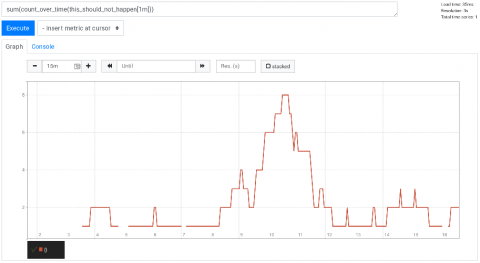
How isolation improves queries in Prometheus 2.17

There are instances in life when isolation is actually welcome. One of those instances pertains to the I in the acronym ACID, which outlines the key properties necessary to maintain the integrity of transactions in a database. The time series database (TSDB) embedded in the Prometheus server has the C (consistency), the D (durability), and – somewhat debatable – the A (atomicity). But up until and including Prometheus v2.16, it did not have the I (isolation).
What Is Cloud Monitoring? Features, Benefits & More

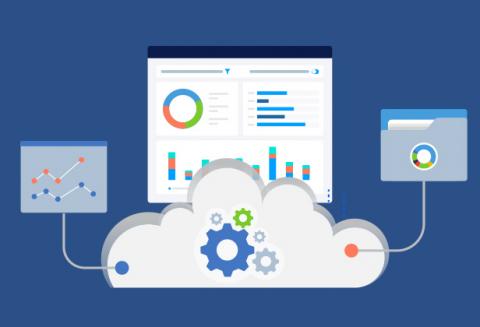
93% of businesses use cloud services, and many are looking forward to investing more in it. Which means almost everyone nowadays is using cloud in some form or another. If any part of your infrastructure is in the cloud, then you must monitor it. This article will show you the features and benefits of cloud monitoring. We’ve also covered how cloud monitoring can help in the current pandemic situation.

5 major risks that impact vulnerable network devices

Working from home has become our new normal, with many of our jobs being performed remotely. The experience of working remotely can be as seamless as it was from our workplace, with all the technological advancements available today. Businesses have also put network security on the forefront by implementing use of virtual private networks (VPNs). This enables users to securely access confidential information hosted on the organizations’ servers.

Monitor Windows containers on Google Cloud with Datadog

Many organizations already use Docker to containerize their Windows applications and often run mixed Windows and Linux container environments to support complex architectures. With Kubernetes’s support for deploying clusters with Windows nodes, organizations can leverage the orchestration platform to easily automate container provisioning, networking, scaling, and more for their Windows applications.

Monitor Sidekiq with Datadog

Sidekiq is a Ruby framework for background job processing. Developers can use Sidekiq to asynchronously run computationally intensive tasks—such as bulk email sending, payment processing, and data importing—to help speed up the response times of their applications. If you’re using Sidekiq Pro or Enterprise, Datadog’s integration helps you monitor the progress of your jobs and the applications that depend on them, all in a single platform.

How to scale Prometheus monitoring

After StatsD and Graphite weren’t able to meet their needs for metrics and monitoring, engineers at SoundCloud developed the open source event monitoring and alerting tool, Prometheus. Because it’s easy to deploy and get started with -- and on the surface seems free -- it’s become a popular part of many DevOps teams' observability stack.

Can AWS API Gateway Act as a Load Balancer?

TL;DR: yes, API Gateway can replace what a Load Balancer would usually provide, with a simpler interface and many more features on top of it. The downside is that it doesn’t come cheap. Load balancers have been one of the most common ways to expose a backend API to the public or even to an internal/private audience. API Gateways seem to provide the same functionality: map and connect HTTP requests to a backend service. So, are they the same or are there any differences?

5 Benefits of Cloud-Based Log Aggregation Tools

In the modern digital ecosystem, every user activity, system error, application transaction, and network packet movement can be tracked using logs. This level of visibility into systems, networks, and applications is useful for troubleshooting bottlenecks, analyzing past trends, and predicting future events. However, monitoring various cloud-based and on-premises resources becomes complex in the absence of proper log aggregation tools.