Operations | Monitoring | ITSM | DevOps | Cloud

Five Reasons to Switch from Broadcom DX Infrastructure Manager to OpsRamp

In November 2018, chip manufacturer Broadcom announced the completion of its $18.9 billion purchase of infrastructure software company, CA Technologies. While CA’s enterprise software division has seen many changes after the acquisition, the products in their AIOps and Observability portfolio consist of operational intelligence, application performance management, network monitoring, and infrastructure monitoring.

6 Tips to Prepare Your E-Commerce Site for the Biggest Holiday Traffic Surge Ever

6 Tips to Prepare Your E-Commerce Site for the Biggest Holiday Traffic Surge Ever So it begins. No, we are not talking about the school year, the football season, or a dizzying array of television shows about zombies, detectives, and of course: zombie detectives (seriously, it’s a thing).

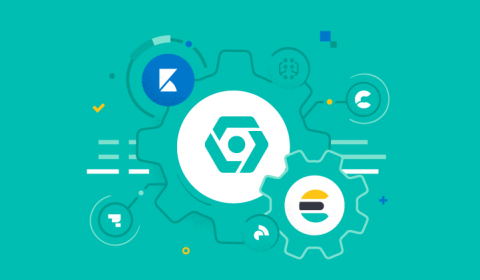
Monitoring Google Cloud with the Elastic Stack and Google Operations

Google Operations suite, formerly Stackdriver, is a central repository that receives logs, metrics, and application traces from Google Cloud resources. These resources can include compute engine, app engine, dataflow, dataproc, as well as their SaaS offerings, such as BigQuery. By shipping this data to Elastic, you’ll get a unified view of the performance of resources across your entire infrastructure from cloud to on-prem.

Observability 101: Terminology and Concepts

When I first started following Charity on Twitter back in early 2019, I was quickly overwhelmed by the new words and concepts she was discussing. I liked the results she described: faster debugging, less alert fatigue, happier users. Those are all things I wanted for my team! But I was hung up on these big polysyllabic words, which stopped me from taking those first steps toward improving our own observability.

Troubleshooting Remote End-User Experience with Endpoint Monitoring

In today’s Tip of the Day, we are looking at troubleshooting remote end-user experience using Catchpoint’s Endpoint Monitoring solution. According to a recent set of figures from Stanford University, 42% of the U.S. labor force is working from home full-time. Based on their earnings, this group of work-from-home employees accounts for over two-thirds of U.S. economic activity.

Drupal vs. Joomla: Web Performance Compared

Most companies build a resilient system capable of constantly supporting their revenue-generating web applications. However, unforeseen circumstances can occur at any time and cause downtime, making a website unavailable for end users. To ensure a reliable website, it’s important to monitor its availability and performance. Reducing a website’s load time is one of the best ways to provide a seamless user experience.

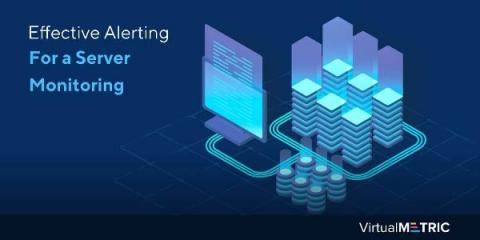
Effective Alerting for a Server Monitoring

Every minute of server downtime can cost you serious revenue. 98% of organizations revealed that a single hour of downtime costs them over $100,000. The good news is that you can effectively prevent such losses with server monitoring software. Being a critical piece of your technical infrastructure, servers must be continuously tracked for their performance, and health. Efficient server monitoring lets you resolve issues before they become too critical.

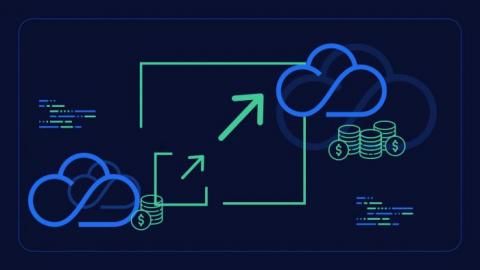
AWS Elasticsearch Pricing: Getting Cost Effective Logging as You Scale

AWS Elasticsearch is a common provider of managed ELK clusters., but does the AWS Elasticsearch pricing really scale? It offers a halfway solution for building it yourself and SaaS. For this, you would expect to see lower costs than a full-blown SaaS solution, however, the story is more complex than that.

Kibana Visualization How-to's: Heatmaps

In Kibana you have a full selection of graphical representations for your data, most of the time this can be a simple line or bar charts to do what you need to do. But every so often you need to take a different view to get the most out of your data. Heatmaps are a critical component of the Kibana visualization arsenal, and deserve their own attention.