Operations | Monitoring | ITSM | DevOps | Cloud

Detecting and Preventing Log4J Attacks with Cribl LogStream

Shortly before the December holidays, a vulnerability in the ubiquitous Log4J library arrived like the Grinch, Scrooge, and Krampus rolled into one monstrous bundle of Christmas misery. Log4J maintainers went to work patching the exploit, and security teams scrambled to protect millions of exposed applications before they got owned. At Cribl, we put together multiple resources to help security teams detect and prevent the Log4J vulnerability using LogStream.
How the new k6 Cloud app plugin makes it easy to correlate QA data and system metrics in Grafana

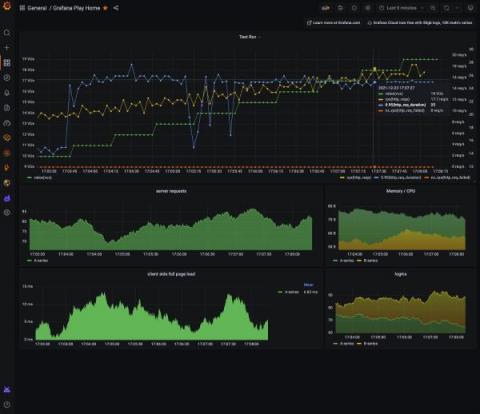
One of the common challenges when doing performance testing is the difficulty of correlating the metrics of your application with your testing results. Having available QA, infrastructure, and application metrics together allows engineering teams to better understand the behavior of their systems during the testing, helping to detect and prevent potential issues in their applications.

How to Find WordPress Performance Bottlenecks

Monitoring is a critical part of managing a WordPress site since you need to know what's going on with it, such as how many visitors it has, how quickly it loads, and whether it's constantly online. Data on these areas will aid you in making critical decisions, resulting in improved performance, happier visitors, and, if applicable, a higher bottom line. Many factors can cause WordPress to slow down, but you don't need to be a techie to address them.

Next Level Ruby on Rails Application Monitoring with AppSignal

In the first of this two-part series, we covered how to set up AppSignal in a Ruby on Rails application for many great insights out of the box. AppSignal can automatically track errors, monitor performance, and report metrics about some dependencies. But, in many cases, each of our applications behaves in different ways, so we'll want more than just generic monitoring. In this post, we will run through adding custom instrumentation and monitoring to a Ruby on Rails application.

Sponsored Post

Build more resilient mobile apps with Flutter Crash Reporting

Powered by the Dart language, Flutter is one of the fastest-growing cross-platform programming frameworks in the world. Since its release in 2017 it has been empowering developers to build mobile apps that work seamlessly across iOS and Android with a single code-base. If you're a Flutter developer, you'll already know the importance of building better quality software, faster - after all, it was made for that very reason. That's why today, Raygun is proud to bring you Flutter support Crash Reporting. This highly requested release gives you complete visibility into the health of your Flutter applications, with rich diagnostics that take you to the root cause of errors and crashes.

DevOps State of Mind Podcast Episode 6: The Future of DevSecOps with EMA

Chris Steffen is a research director for information security at Enterprise Management Associates. EMA is a leading analyst and consulting firm that prides itself on going beyond the surface to provide deep insights about the IT industry. I'm Liesse from LogDNA. Before we dive in, I just wanted to take a moment to thank all of you for tuning in to season one of DevOps State of Mind.

Getting Started with Ruby and InfluxDB

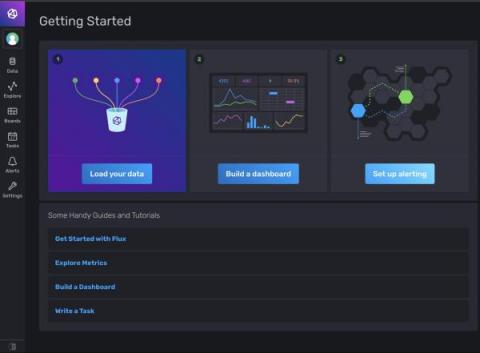
Scroll down for the author’s photo and bio. Time series databases like InfluxDB index data by time. They are efficient at recording constant data streams like server metrics, application monitoring, sensor reports, or any other data containing a timestamp. The structure makes analyzing change over time a breeze. This tutorial will show you how to set up InfluxDB with a sample Ruby application.

A New Way to Look Like Splunk

During.conf21, we announced the public release of the Splunk UI Toolkit, a collection of packages and libraries that provides some of the same underlying tools powering our product line to you, the Splunk developer. Now, any Splunk developer can incorporate Splunk UI components into their own custom applications and tools. This includes everything from buttons and inputs from our @splunk/react-ui package, or our new parallel coordinates visualization from our @splunk/visualizations package.

Why "AIOps vs. Observability" Is a False Dilemma

What comes first – observability or AIOps? Can you achieve observability without AIOps? Do you need AIOps if you already have an observability solution in place? These are all questions that any team considering AIOps will want to answer in order to determine the real-world value that AIOps tools stand to offer.