Operations | Monitoring | ITSM | DevOps | Cloud

IllegalArgumentException in Java

Let’s look at IllegalArgumentException, which is one of the most common types of exceptions that Java developers deal with. We’ll see when and why IllegalArgumentException usually occurs, whether it’s a checked or unchecked exception, as well as how to catch and when to throw it. We’ll use a few examples based on common Java library methods to describe some of the ways to handle IllegalArgumentException.

The one where the Lloyds Banking Group suffered downtime

In a world where we are so reliant on technology for everything, from doing our weekly grocery shopping to online banking, it’s no surprise that when something goes wrong, it has a huge domino effect impact. The pressures on apps and online platforms in 2022 is so high that we almost solely depend on them for all of our day to day activities. It’s no surprise, therefore, that when the banking apps suffered partial downtime in March, it felt like Armageddon.

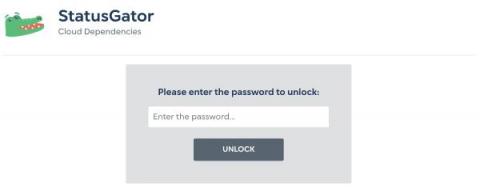
New: Protect Your Status Page with a Password

We’ve just released highly-requested feature for our public, aggregated status pages: Password protection. Now, StatusGator’s customizable, brandable, aggregated status pages can be protected behind a password. This feature is now available on our Venture plan. StatusGator is a status page aggregator. We make it easy to publish single page with the status of all your cloud vendors in one place.

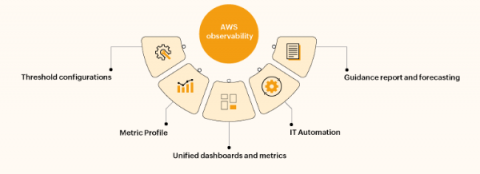
5 features that help you power up AWS observability

Before we take a deep dive into the ways to achieve observability, it is important to understand what observability is and how it is achieved. Frequently, observability is confused with monitoring. Observability provides end-to-end visibility into a system’s internal health by using the data it generates: logs, traces, and metrics. In a multi-cloud environment, observability enables you to detect and resolve anomalies.

Supercharge Your SBC Call Detail Records

As Teams Phone becomes the norm in the Enterprise space, managing the quality of service delivery and user satisfaction, whether it’s cloud or connected to the PSTN, is mission critical. Teams PSTN calls are used for just about every type of meeting as well as for Contact Centers, Customer service, town halls and client pitches. Because of this ubiquitous usage, Enterprise IT needs analytics to understand how this service is performing for users and when problems are occurring.

Garbage Collection in Java

Garbage collection in Java is a familiar term in the coding world. You will come across it when learning the Java programming language. Because it’s built into Java memory management, the garbage collector is one of Java’s crucial features. It helps prevent serious errors and allows programmers to create new objects without worrying about unwanted objects.

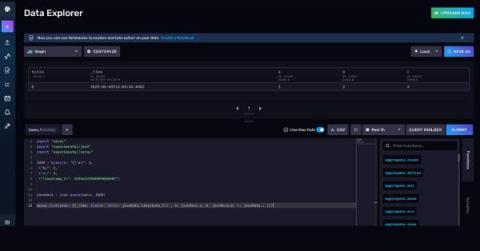
TL;DR InfluxDB Tech Tips: Handling JSON Objects and Mapping Through Arrays

There are multiple ways to use Flux to bring in data from a variety of different sources including SQL databases, other InfluxDB Cloud Accounts, Annotated CSV from a URL, and JSON. However, previously you could only manually construct tables from a JSON object with Flux as described in this first example. We’ll describe how to work with three examples with increasingly complex JSON types. First we will describe how to work with these JSON types with metasyntactic examples.

Up the Creek Without a Paddle: Easing the Strain on Your Analytics Systems

When it comes to your analytics tools, would you say they’re getting easier to manage overall, or is it increasingly difficult? Can you easily scale to meet new compliance requirements, or is there so much custom work required that the pace of change is too much for your team to handle? Do you feel in control over how and where your observability data flows, or do you feel beholden to your vendors? This blog post will shed light on how you can ease the strain on your downstream systems.

Time Saved Monitoring Deployments Is Time Spent Building Better Products

Bigeye is the data observability platform that teams at companies like Zoom and Instacart use to keep their data pipeline fresh, high quality, and reliable. Their customers depend on them to detect problems in their data pipelines 24/7 and to keep data reliable enough for production use cases of analytics and machine learning. In this environment, margins for error are razor thin and waiting for a user to let you know that something isn’t working means it’s already too late.