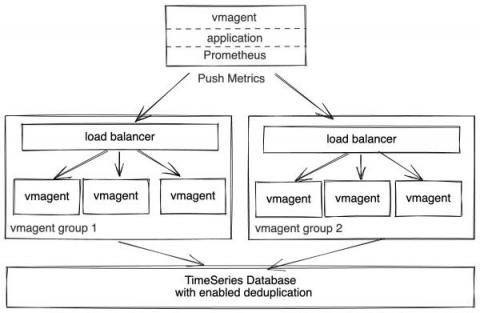
vmagent supports both the pushing and pulling (scrape) of metrics and here are examples of high availability setups for both cases.
Properly leveraging telemetry is a true game-changer for any IT department looking to optimize and stabilize its systems. Telemetry provides the first step to answering the all-important question, “What’s happening in my network?” It’s your eye into the inner workings of your system, giving you a view into how different components are performing.
Introducing SL1 Eiffel. Designed to expand your ability to see, contextualize, and act in order to accelerate your journey to AIOps.
Time and resource consumption have become the driving forces of developing modern applications. While building cloud-native applications, it’s important to ensure that you have the most optimized code in place, and oftentimes that means leveraging concurrency. While writing concurrent code may sound overwhelming at first, Golang makes it extremely easy to get a handle on.
The book is done. The book is FINISHED. There will be no more writing of the book! Holy macaroni. If you think you might be sensing just a SMIDGE of relief, you wouldn’t be wrong. We started writing this book, Observability Engineering: Achieving Production Excellence, three whole years ago, in the summer of 2019. Remember that?
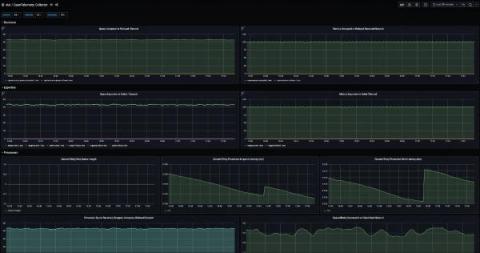
OpenTelemetry is a set of APIs, SDKs, tooling, and integrations that are designed for the creation and management of telemetry data such as traces, metrics, and logs. One of the main components of OpenTelemetry, or OTel for short, is the OpenTelemetry Collector. The OpenTelemetry Collector, or Otel Collector, is a vendor-agnostic proxy that can receive, process, and export telemetry data.