Operations | Monitoring | ITSM | DevOps | Cloud

Sysdig Advisor: Making Kubernetes troubleshooting effortless

The cloud, Kubernetes, CI/CD, DevOps, GitOps… the last five years have seen a huge transformation in how organizations are architecting and shipping applications. It’s hard to keep up with the pace and learn all of this new tech! Nearly 55% of respondents to Canonical’s 2021 Kubernetes and cloud native operations report highlighted how the lack of sufficient in-house skills and people power is the biggest challenge that Kubernetes brings to businesses.
New release: SquaredUp 5.5

We’ve just released SquaredUp 5.5! As always, you’ll find some great new additional features as well as enhancements in the SquaredUp Community, Azure, and SCOM Editions. Plus, the new 5.5 release works with SCOM 2022. Here’s a quick overview of what’s new: Check out the release webinar here or keep reading for all the juicy details.

How to Monitor Microsoft IIS with OpenTelemetry

The OpenTelemetry members at observIQ are excited to add Microsoft IIS metric monitoring support to OpenTelemetry! You can now easily monitor your IIS web servers with the oIQ OpenTelemetry Collector. You can add the IIS metric receiver to any OpenTelemetry collector. This post demonstrates just one configuration for shipping metrics with OpenTelemetry components. This configuration and many other observIQ OpenTelemetry configurations are available in the oIQ Opentelemetry Collector.

Monitor FoundationDB with Datadog

FoundationDB is a distributed NoSQL database designed to support fully ACID transactions. FoundationDB uses an unbundled architecture that consists of an in-memory transaction management system, a distributed storage system, and a built-in distributed configuration system. This enables developers using FoundationDB to manage and configure each part of their database layer separately to ensure desired scalability, high-availability, and fault tolerance.

The Return to the Office: Major Companies Investing in Flexible Workplaces

For much of the past two years, businesses have been looking ahead to an eventual return to the office – a return that has been frequently delayed and disrupted by the unpredictable nature of the COVID-19 pandemic. But with some employees resistant to returning, companies are looking for new options to entice employees back. It may not be a return to the office at all, but instead a movement towards an entirely new way of working together.

New observability features for your Splunk Dataflow streaming pipelines

We’re thrilled to announce several new observability features for the Pub/Sub to Splunk Dataflow template to help operators keep a tab on their streaming pipeline performance. Splunk Enterprise and Splunk Cloud customers use the Splunk Dataflow template to reliably export Google Cloud logs for in-depth analytics for security, IT or business use cases.

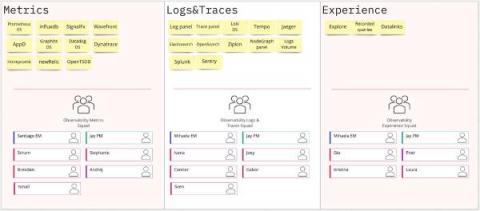
How the growing Grafana Observability team restructured themselves successfully

Over the past year, Grafana Labs has grown from 300 to 700 Grafanistas. Moving forward, we expect to continue to maintain a high rate of change, and to sustain that, we need to ensure there is flexibility in how our teams* are set up. The majority of our Engineering squads have changed in size and structure — and the same goes for the Grafana Observability team, where I work.

Node.js Performance Monitoring

Many software developers utilize Node.js to create high-performance backend web applications. It has numerous advantages, including ease of application deployment, asynchronous request handling, great performance, and more. Integrating a solid monitoring solution into your Node.js application is critical since it gives you visibility into what's going on in your application at any given time or over a specific time.

Now Monitor with Even More Granularity

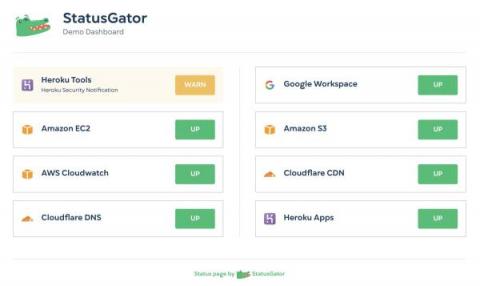
StatusGator is a status data platform: We ingest data from almost 2,000 services by extracting and normalizing their official, public status page information. To monitor a service, you simply search through our list of thousands and its added to your dashboard. From there, you can filter to specific components of a service, such as products or regions. Now, you can subscribe to the same service more than once on a single StatusGator dashboard. What does this mean in practice?

4 Different Ways to Ingest Data in AWS OpenSearch

AWS OpenSearch is a project based on Elastic’s Elasticsearch and Kibana projects. Amazon created OpenSearch from the last open-source version of ElasticSearch (7.10) and is part of the AWS system. The key differences between the two are topics for another discussion, but the most significant point to note before running either distribution is the difference in licenses. ElasticSearch now runs under a dual-license model, and OpenSearch remains open-source.