Operations | Monitoring | ITSM | DevOps | Cloud

Instrumenting a .NET web API using OpenTelemetry, Tempo, and Grafana Cloud

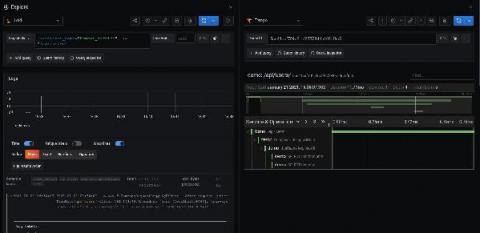
OpenTelemetry is a CNCF project that standardizes observability (logs, metrics, and traces) across many languages and tools. Today we will look at how we can use the OpenTelemetry .NET library to instrument a .NET 5.0 web API, to offload traces to Tempo and logs to Loki in Grafana Cloud. Grafana Cloud now has a free plan. Set up your account and follow along!
The Splunk plugin for Grafana now supports data links for jumping directly from logs to traces

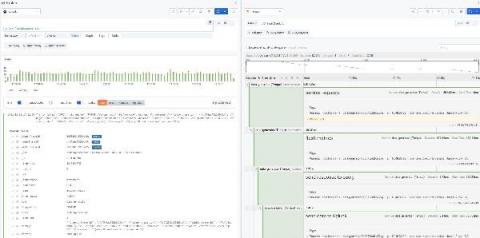
Hey there! This is Éamon Ryan from the Solutions Engineering team. Very recently the Splunk data source plugin, which is available with a Grafana Enterprise license, had a new release: v2.1.0. While it added a few good bug fixes for edge cases, the biggest change, I think, was the addition of support for data links! Data links actually show up in a few places inside Grafana.

Auto-instrumenting a Java Spring Boot application for traces and logs using OpenTelemetry and Grafana Tempo

Auto-instrumentation is a subject I have not had much experience with. Here at Grafana Labs, we primarily develop in Go, which doesn’t afford such luxuries. However, there is an enormous amount of interest from the community in Java auto-instrumentation, so I set out to determine what was possible using the shiny new OpenTelemetry auto-instrumentation libraries.

AWS Distro for OpenTelemetry - Now with Splunk Observability Support!

Back in October, we announced the Splunk OpenTelemetry Collector Distribution, which offered the industry’s first production-ready support for OpenTelemetry. This distribution is the recommended way that customers of Splunk’s award-winning observability products capture metrics and traces.

System Traceability: What is It and How Can You Implement It?

System traceability is one of the three pillars of observability stack. The basic concept of observability is of operations, which include logging, tracing, and displaying metrics. Tracing is intuitively useful. Identify specific points in an application, proxy, framework, library, runtime, middleware, and anything else in the path of a request that represents the following of either ‘forks’ in execution flow and/or a hop or a fan out across network or process boundaries.

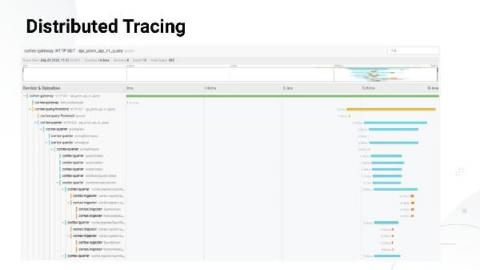
A beginner's guide to distributed tracing and how it can increase an application's performance

Most people are instrumenting their applications, with logs being an easy first step into the observability world, followed by metrics. Tracing lags behind these two and is maybe a little less used than other observability patterns. We hope to change that.

A Gem of an Update: Performance Monitoring for Ruby

In order to continuously improve your Ruby application, you need to understand everything your code touches. That means visibility into how your frontend responds to the database queries that are central to your Ruby application. Sentry’s new Ruby SDK collects and monitors the data surrounding your traces, logs, and key metrics. With it, you now have the context to connect backend issues to frontend performance.

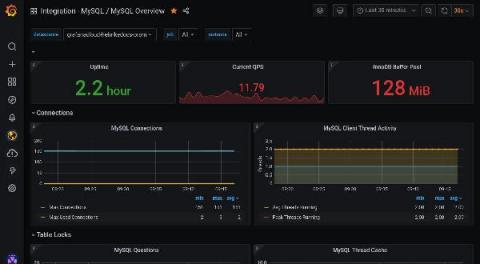
How to get started quickly with metrics, logs, and traces using Grafana Cloud integrations

Grafana Cloud is the easiest way to get started observing metrics, logs, traces, and dashboards. When we say “easiest,” we mean it: Grafana Cloud is designed so that even novice observability users can use it. As a new user, you are not required to dive into the complexity of setting up Prometheus and figuring out how to create Grafana dashboards from scratch. Integrations are the reason why.

Embracing Open Source data collection

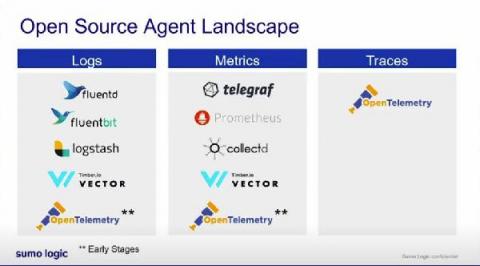
Open source has come a long way. One of my favorite reports on the subject is Red Hat’s State of Enterprise Open Source. For 2020, 95% of respondents said that open source is strategically important to their business needs. Here, I will be recapping my recent Illuminate presentation about embracing open source data collection and I thought it’s important to first talk about how open source has changed.