Operations | Monitoring | ITSM | DevOps | Cloud

Interview: Why Applications Fail and What to Do About It

Lee Atchison is a recognized industry thought leader in cloud computing and has significant experience architecting and building high scale, cloud-based, service oriented, SaaS applications. Formerly the Senior Director for Cloud Architecture at New Relic, Lee is now the owner of Atchison Technology LLC, a cloud consulting and advising firm. Lee is also the author of “Architecting for Scale,” a book published by O’Reilly Media.

7 Tips to Prevent Ransomware

Ransomware is a malicious type of software that’s used to extort money from victims. It almost always promises to restore the data it encrypts or the operating system it locks, in exchange for a large sum of money. Networks seem to face threats from all directions, but there are ways to prevent malware attacks. Specialized software can protect your assets. In addition, there are other steps you can take to strengthen your ransomware prevention best practices.

Putting the stack in JAMstack

Stackery is focused on helping developers leverage the power of AWS managed services. Our secure delivery platform is used to ship Lambda functions, HTTP Gateways, Aurora database clusters, and many more services which you can view usage of in Anna’s blog on the topic. Recently, I noticed an emerging workload running on our platform: the JAMstack. That’s a term for web applications composed primarily of JavaScript, APIs, and Markup.

Ethical Hacking's Role in E-commerce Protection

We live in a high-tech society that has made many things possible. Today, small e-commerce businesses can sell to people wearing their pajamas half a world away. No longer does a business need a storefront to be successful. If you have an in-demand product, you can sell from anywhere with much less on-hand inventory and overhead than you would have needed not long ago. E-commerce has turned dreamers into successful entrepreneurs, and there's no looking back.

Backups Suck (But They Don't Have to)

Focus on what matters with instant visibility into the condition of your backup application and detailed analytics to quickly pinpoint where any issues lie. IBM’s backup monster, Spectrum Protect (TSM as we called back in the day), sucks. Not because the software sucks – it’s actually the best there is – but because backups suck in general. It’s the quintessential necessary evil of IT.

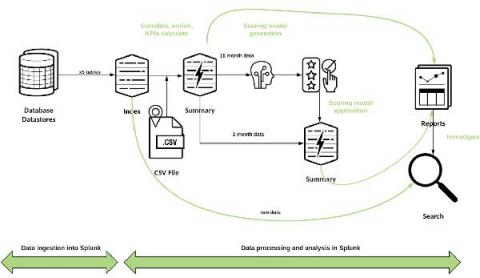
Splunking Cisco Webex Meetings Data

The COVID-19 pandemic has had a major impact on our working lives. Companies have adopted by transforming their workforce to work remotely through video conferencing software. Cisco’s Webex Meetings, one of the most popular video conference softwares, plays a critical role in helping employees stay connected, enhance collaboration and drive productivity.

Using Splunk to Detect Abuse of AWS Permanent and Temporary Credentials

Amazon Web Services provides its users with the ability to create temporary credentials via the use of AWS Security Token Service (AWS STS). These temporary credentials work pretty much in the same manner like permanent credentials created from AWS IAM Service. There are however two differences.

Monitoring NGINX with Applications Manager

NGINX is open-source software that started out as a web server and now provides various solutions such as web serving, reverse proxying, caching, load balancing, media streaming, and more. It also serves as a proxy server for email (IMAP, POP3, and SMTP) and a reverse proxy and load balancer for HTTP, TCP, and UDP servers.

Sponsored Post

Control the chaos - The importance of monitoring traffic spikes

You've spent years scaling your infrastructure alongside your business growth, and day-to-day, your application performance is thriving. But what happens when your traffic spikes out of your predicted "normal" range, heading into unchartered territory? Are you prepared to support this new influx of customers? Or will you crumble under the pressure of it all - leaving customers dissatisfied at the poor user experience?

Incorporate Datadog Synthetic tests into your CI/CD pipeline

Testing within the CI/CD pipeline, also known as shift-left testing, is a devops best practice that enables agile teams to continually assess the viability of new features at every stage of the development process. Running tests early and often makes it easier to catch issues before they impact your users, reduce technical debt, and foster efficient, cross-team collaboration.