Site crashes and outages can cost hundreds of thousands in lost revenue and inconvenience users. Site Reliability Engineering helps build highly reliable and scalable systems, particularly important for companies that depend on their software to support their customers performing critical operations. Hiring a Site Reliability Engineer is the best way to ensure a software system stays up and running at all times. Not only will they help manage infrastructure and applications, but they'll also be able to advise on how to scale a business as it grows - keeping downtime and incidents at a minimum!
For most businesses, effective digital transformation is a key strategic objective, and as computing infrastructure grows in complexity, end-to-end observability has never been more important to this cause. However, the amount of data and dynamic technologies required to keep up with demand only continues to increase, and current tools are not equipped to handle it- with any discrepancies resulting in rising costs and reduced competitiveness.
By combining traffic replay capabilities from Speedscale with observability from Datadog, SRE Teams can deploy with confidence. It makes sense to centralize your monitoring data into as few silos as possible. With this integration, Speedscale will push the results of various traffic replay conditions into Datadog so it can be combined with the other observability data. Being able to preview application performance by simulating production conditions allows better release decisions. Moreover, a baseline to compare production metrics can provide even earlier signals on degradation and scale problems. Speedscale joined the Datadog Marketplace so customers can shift-left the discovery of performance issues.
Automation is a powerful tool. With some foresight and a little elbow grease, you can save hours, days, or even months of work by strategically automating repetitive tasks. What makes automation particularly beneficial is that it eliminates manual interaction with multiple systems. Rather than manually uploading data to an event response system or notifying key support personnel of an incident, tying these tasks together through automation can reduce critical time and help resolve problems faster and more efficiently. But, before we can fill in the gaps between all of the platforms we are responsible for, we first need to understand how data moves around on the web and how we can use that process to our advantage.
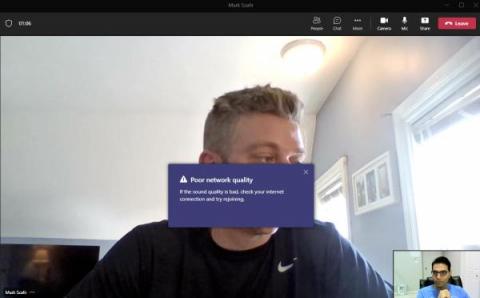
When end-users constantly complain about bad network quality or poor audio video conference experience, you know it's time to shop for a Team's monitoring tool. And your Teams monitoring solution needs to be proactive, provide insight into hybrid work environments, and support real-time diagnosis of network issues for your end-users no matter where they work from. Business leaders rely more than ever on technology teams to deliver a successful company ROI. But problems with complex Teams deployment and unsatisfied workers can lead to increased costs and lower productivity.