The latest News and Information on DevOps, CI/CD, Automation and related technologies.
We’re all looking to maximize every dollar spent, every hire made, every hour logged. But there’s one cost center you might not be thinking about — incident management. This post explores the explicit and implicit costs associated with incidents.
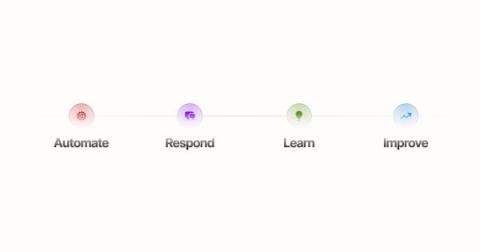
Operations management—whether IT, business, sales, marketing, etc.—has four essential main objectives: And in any industry, those objectives are driven by the most important goal, which is to generate revenue for the organization. While every single task or implementation may not directly impact revenue, the outcome of small improvements over time can be substantial. After a Google search for motivational quotes, I stumbled on James Clear’s “power of tiny gains” concept.
For the past couple of years, no one has been able to escape the effects of supply chain problems throughout their personal and professional lives. According to our recent State of Hybrid Cloud Storage survey, storage and the IT equipment that supports storage systems were no exception, and disruptions created extra work and headaches for those teams.
Kubernetes is a quintessential operating system for the cloud, providing a platform for the deployment, scaling, and management of containerized microservice applications. At the heart of Kubernetes is the Kubernetes API, which serves as the primary entry point for interacting with the system. The official client for the Kubernetes API is kubectl, a Kubernetes CLI tool that allows users to manage a Kubernetes cluster and perform a wide range of tasks.