Moogsoft and DataDog
See how Moogsoft and Datadog easily integrate and speed up incident response with one view for everything.


The latest News and Information on AIOps, alerting in complex systems and related technologies.
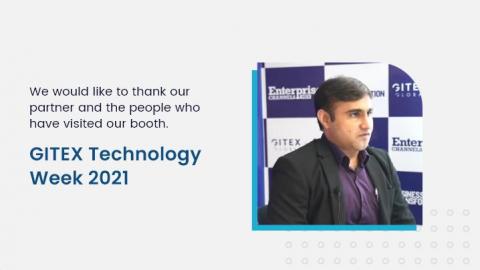
GITEX GLOBAL 2021 has come to an End! A big thanks to our partners and visitors for taking the time to come & meet us. Being the biggest trade show in the region, GITEX gave us the right platform to unveil our latest AI-powered offerings, AIOps and ServiceOps, which we are positioning as a unified solution to meet the challenges faced by enterprises due to the rapid modernization of their businesses.
We’re strengthening the value to ServiceNow and ScienceLogic customers through a stronger partnership.
ML-enhanced endpoint protection can keep schools safe from cyberattacks. Here are three benefits district leaders will find when investing in this advanced technology. Long before the pandemic, K–12 cyberattacks were a serious concern. The shift to remote learning has only increased the danger.
On this day in 1938, law student Chester Carlson invented the first photocopier in Queens, New York.
AIOps was once considered just a back-office fundamental, a solid suite of tools simplifying routine security and network monitoring tasks that primarily served the IT shop. The accelerated pace of digital transformation is changing that. Now, IT service and operations teams are in the spotlight and tasked with enabling business performance that help their companies provide seamless digital experiences and evolve in a fast-changing economic environment.
This is the first of a four-part security blog series covering why ScienceLogic is listed in the DoDIN APL catalog, what this means for monitoring critical IT infrastructure, and why APL certification is relevant for all organizations. Part one is all about trust and transparency—foundations for a secure platform.
Managed service providers have to manage complex and diverse customer environments that typically include hybrid infrastructure and multiple monitoring feeds. They need to be able to discover and monitor these environments, correlate alerts from multiple systems into single events, and map business services to the infrastructure and application services that support them, building customer-centric dashboards for real-time service and application health in the process.