The latest News and Information on Incident Management, On-Call, Incident Response and related technologies.
Incident Management has evolved considerably over the last couple of decades. Traditionally having been limited to just an on-call team and an alerting system, today it has evolved to include automated Incident Response combined with a complex set of SRE workflows.
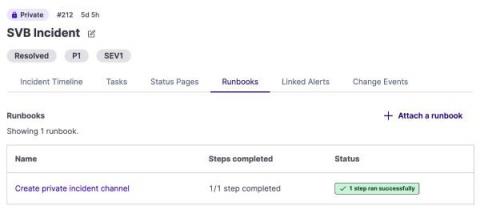
On Thursday, March 9, 2023, something was afoot at our primary bank, SVB. By Friday, March 10, 2023, messages from our investors helped us quickly understand that FireHydrant needed to maneuver through a complex incident that was unfolding. Operational incidents are incidents like every other.
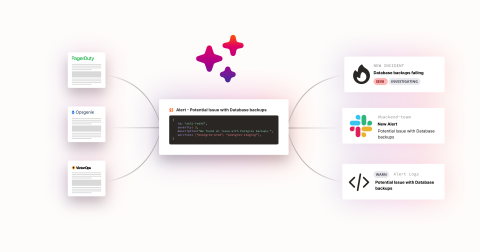
Shouldn’t your alerts be doing more of the work for you? A noisy channel with every alert from hundreds of monitors and microservices is a chaotic place to actually find the incidents that are impacting your customers. And it still requires a heck of a lot of human intervention. We think it’s time for something better. Today we’re releasing Alert Routing: the next phase of worry-free automation from FireHydrant.
Agility matters in incident response, and the easiest way to spring into action is by having a well-defined team in place ahead of time. The right people in the right roles will help you respond to and resolve incidents more quickly and efficiently. In fact, we found in the Incident Benchmark Report that incidents with roles assigned had a 42% lower mean time to resolution than those that didn’t. But what roles do you need to fill?
PagerDuty provides a SaaS-based platform that enables developers, DevOps, IT operations, and business leaders to prevent and resolve incidents that could potentially impact customer experience. This platform allows organizations to proactively manage events that may affect customers across their IT environment, which is crucial for maintaining customer satisfaction, revenue, and brand reputation.
Question—when was the last time you purchased a new product and sat down to read the manual end-to-end before getting started? Ask this question to a room of 10 people and you’d likely get one or two hand raises, even though reading first could save you time and preempt many of the questions you’re likely to ask. Herein lies the problem when it comes to creating a SaaS product.