Operations | Monitoring | ITSM | DevOps | Cloud

Critical Metrics and Alerts in the Continuous Delivery Process

Continuous delivery is a software development approach in which code changes are automatically staged for production release. A foundation for modern application development, continuous delivery extends continuous integration by automatically deploying code changes to test and production environments after the build phase. When properly implemented, developers have deployable build artifacts that have passed a standardized testing process and can be deployed to environments as needed.

PagerTree Broadcasts

PagerTree broadcasts are a great way to send mass messages to multiple teams or users (think of an all hands on deck situation). When using the broadcasts feature you can send one way messages and optionally request a response. PagerTree intelligent on-call alert routing gives teams flexible schedules, escalations, & reliable notifications via email, SMS, voice, chatbots, & smartphone app.

Best practices to prevent alert fatigue

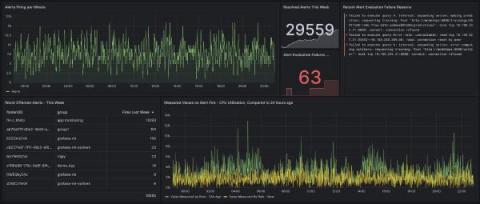
As your environment changes, new trends can quickly make your existing monitoring less accurate. At the same time, building alerts after every new incident can turn a straightforward strategy into a convoluted one. Treating monitoring as a one-time or reactive effort can both result in alert fatigue. Alert fatigue occurs when an excessive number of alerts are generated by monitoring systems or when alerts are irrelevant or unhelpful, leading to a diminished ability to see critical issues.

Critical System Alerts via SIGNL4

I recently had a call with a long-term customer who had been using Enterprise Alert for years without any major incidents. But in light of a recent proactive monitoring project, he also revisited Enterprise Alert and reached out to me to ask for my opinion on how he could improve the monitoring of Enterprise Alert from within the solution.