Operations | Monitoring | ITSM | DevOps | Cloud

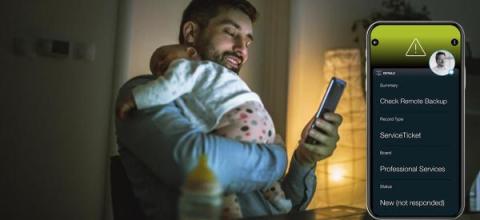
After Hours Alerting for ConnectWise: Using SIGNL4 to Route CW Tickets to On-Call Engineers

As a business owner or manager, you understand the importance of efficient operations and effective communication, particularly after hours. You want to equip your on-call engineers with all the information they need to resolve a ticket when not at their desk. If you are using ConnectWise to manage your service tickets – here is some great addition to help with your after hours alerting.
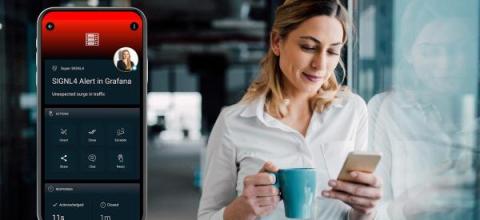
Revolutionizing your Grafana setup with intelligent alerting

Once upon a time, in the bustling city of DataVille, lived a team of dedicated IT professionals tirelessly working to maintain the city’s digital heartbeat. Their mission was to ensure the smooth operation of their city’s digital infrastructure, which was not limited to the daytime operations but extended beyond business hours. They were the unsung heroes, the guardians of the city’s data. Their tool of choice? Grafana, a powerful open-source platform for observability.

What is HCAHPS: A Comprehensive Overview

In the realm of hospitals and healthcare organizations, the term “HCAHPS survey” is a recurrent presence: Hospital Administrator A: “The latest HCAHPS survey results just came out, and patients seem satisfied with…” Hospital Administrator B: “Some of our past patients participated in the HCAHPS survey, but they expressed disappointment with…” You might be left wondering, “What exactly is the HCAHPS survey?” Allow me to elucidate.

October 2023 Update - New layout, additional cross links, improved event filtering and much more

Our October update brings a new layout in the web portal, new additional cross-references from Signl details to linked entities, and improved grouping options for conditions in the distribution rules. As always, all the details are in this blog article.

Alerting, Incident Management and the SDLC | Better Incidents Podcast Ep. 8

In this episode we chat with veteran cloud architect Masaru Hoshi about the challenges of alert fatigue, the importance of effective alerting systems, and fostering ownership in software teams. Masaru shares insights from his 30-year career, emphasizing the need for balance, trust, and collaboration in incident response.

What Is the Role of an Incident Commander?

For most businesses, managing major incidents can be intimidating. With a swarm of information coming from different directions, keeping things organized and maintaining clear, effective communication is tough. It only gets worse when there's no defined process to follow. This disorganization confuses everyone, delays responses, and increases the incident escalation rate. Enter the incident commander (IC).