Operations | Monitoring | ITSM | DevOps | Cloud

Why an incident response plan is a security must-have for every organization

“By failing to prepare, you are preparing to fail. Preparation prior to a breach is critical to reducing recovery time and costs.” (RSAConference) For 83% of companies, a cyber incident is just a matter of time (IBM). And when it does happen, it will cost the organization millions, coming in at a global average of $4.35 million per breach. The damage isn’t only financial, nor solely related to customer loyalty and brand equity.

Never-firing alerts: What they are and how to deal with them

Alerting is one of the main reasons for having a monitoring system. It is always better to be notified about an issue before an unhappy user or customer gets to you. For this, engineers build systems that would check for certain conditions all the time, day and night. And when the system detects an anomaly - it raises an alert. Monitoring could break, so engineers make it reliable. Monitoring could get overwhelmed, so engineers make it scalable. But what if monitoring was just poorly instructed?

Configuring Azure Logic App Failure Alerts To Stay Ahead

Azure Logic Apps is a cloud-based service provided by Microsoft Azure that allows users to create and run automated workflows. A trigger is the first step of a workflow that specifies the condition for running further steps in that workflow. Azure Logic Apps creates a workflow run each time the trigger fires successfully. The details of each run, including the status, inputs, and outputs of each step of the workflow instance, can be accessed in the run history section of the Logic App.

7 Types of Incident Response Tools

Incident response tools are software applications or platforms designed to assist security teams in identifying, managing, and resolving cybersecurity incidents. Incident response is a crucial part of an organization’s cybersecurity strategy, making it possible to detect threats, analyze vulnerabilities, respond to attacks, and recover from security breaches. Incident response tools are vital for safeguarding organizations against evolving cyber threats.

Why Incident Management is an Essential Part of Risk Management

In any operation or activity, unforeseen happenings can derail progress. The job of a good manager is to try their best to make the hitherto unforeseen visible and planned for. It’s all too easy to find yourself reacting to occurrences that can throw you and the company into turmoil, with frantic fixing on the back foot being the result. The best managers can make it look like they don’t do much.

Mastering IT Response Time

In today’s fast-paced digital landscape, businesses heavily rely on their IT departments to ensure smooth operations and deliver exceptional customer experiences. When it comes to IT support, one critical metric stands out: response time. A prompt and efficient response can be the difference between a satisfied customer and a frustrated one. In this blog post, we will explore strategies to improve IT response times, enhance customer satisfaction, and optimize overall productivity.

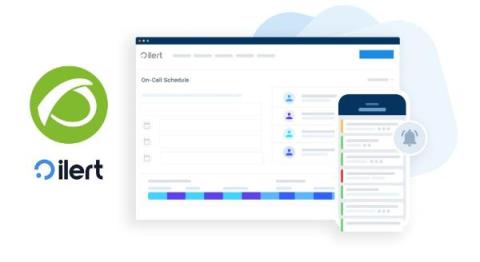
New Features: Next-Generation Notifications UI, Take-On Call Widget, Alert Templates, Dynamic Policy Routing, Service Groups

This post highlights some of the features and improvements that we have released in the last two months. If you want to submit your own ideas or vote on existing feature requests, you can now use our public roadmap at roadmap.ilert.com.

SIGNL4 Onboarding: Scheduling - Creation & Options

The SIGNL4 Onboarding series walks users through the process's of SIGNL4 from Signup to Alerts to Settings. Todays video focuses on Scheduling users for duty shifts. Learn how to schedule users for SIGNL4 shifts and about the scheduling options and how they affect your team and schedule. Learn how to create a schedule and then copy this schedule so you only have to create it once. This video is packed with helpful tips to help you get the most out of your account.

The Dangers of Alert Fatigue: Strategies for Effective Alert Management

Alert fatigue is a serious issue that affects numerous professions, especially in the IT industry. It can lead to neglecting critical events and delaying response times. IT teams need to continuously monitor their systems and applications to avert possible downtime and keep operations running smoothly. However a high number of incoming alerts inundating these teams can make them less responsive. The ramifications of such disregard can severely affect the efficiency and dependability of IT teams.