Mailchimp
Not subscribed to OpsMatters Newsletter


Previously on this Azure dashboards series, we covered making dashboards natively in the Azure portal vs. SquaredUp for Azure for VMInsights and AppInsights. In this third and final part we will be comparing our dashboard experiences when it comes to cloud cost management and visualization. We’ve already talked about the resource-level cost dashboards in the previous parts, our main goal in this one is to display costs on the subscription level. Alright, let’s jump straight into it!
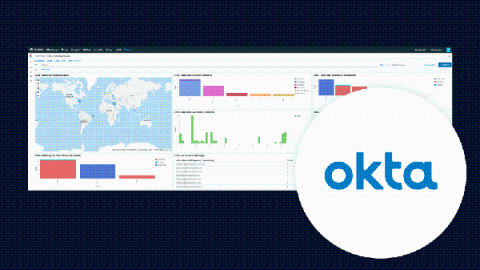
This post will show you how Coralogix can provide analytics and insights for your Okta logs, both performance, and security. Okta is one of the leading Identity provider platforms in the world, offering a variety of cloud services including a Single Sign-On solution to manage and secure company user authentication with 3rd party applications.
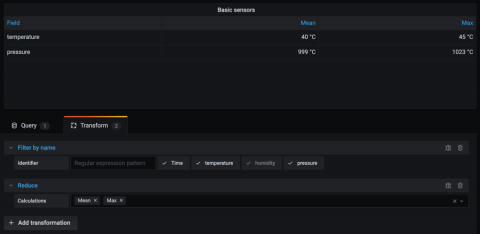
Among the many new features introduced in Grafana 7.0, one of the most exciting ones is transformations. The concept of data transformation is not new to Grafana, but prior to Grafana 7, it was fairly rigid and available only in the Table panel.
Lambda is an AWS service that allows you to run your code completely in the cloud without the need for on-prem servers. As the world has shifted away from on-prem and toward serverless computing, Lambda has grown in popularity: 1700 companies report using Lambda as part of their data infrastructure in StackShare.
Developers make fun of legacy systems because we're scared of them. We're afraid that the tiniest change will cause the app to break in unexpected ways. We're afraid we won't realize it until a customer complains. One way to combat this fear is through testing. In this article, José Manuel shows us how to retrofit legacy systems with acceptance test suites so we can maintain them with less fear and more confidence.
Marc Andreessen famously said, “Software is eating the world.” Dr. Steve Willmott subsequently retorted, “APIs are eating software.” This is because API based architectures are enabling companies to get away from monolithic architectures and move to microservices. Innovative, disruptive companies like Netflix, Airbnb, Uber, Square, and Slack all build their infrastructure and technology using APIs.