Mailchimp
Not subscribed to OpsMatters Newsletter


In case you missed it, for about 15 minutes on June 8, 2021, Fastly's CDN had an outage, taking some of the internet's largest websites down (including the BBC, UK government, Reddit, and the New York Times - Amazon.com also had its CSS fail to load).
Our bread and butter is checking for uptime, and we always recommend users begin their monitoring with the HTTP(S) check. We call it a basic check type, but its functionality is boosted when you start exploring optional parameters. The Uptime.com HTTP(S) check can do a lot more than check for server status 200 OK.
It’s exciting to see a project that you’ve poured so much time into progress at the rate Tempo has. Tempo is not the first piece of software I have shepherded from the very first line of code to a production release, but it is the first large-scale open source project I have led. Working with a community that is able to use and improve your software as a community is a powerful thing.
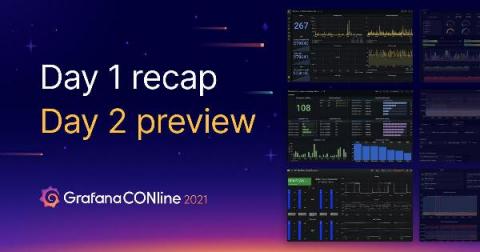
GrafanaCONline 2021 is live! Join us over the next two weeks for more than 30 virtual sessions, ranging from demos of the new Grafana 8.0 release and technical deep dives around Grafana, Prometheus, Loki, and Tempo to insider looks at how companies are leveraging Grafana in observability, IoT, science, and business intelligence. GrafanaCONline 2021 runs through June 17.
Customers need scale and flexibility from their cloud and this extends into supporting services such as monitoring and logging. Google Cloud’s Monitoring and Logging observability services are built on the same platforms used by all of Google that handle over 16 million metrics queries per second, 2.5 exabytes of logs per month, and over 14 quadrillion metric points on disk, as of 2020.
For the past two and a half years as a Solutions Engineer at CircleCI, I’ve had the distinct pleasure of working with some of CircleCI’s largest customers to help them instill healthy CI/CD practices into their development processes. Leading-edge organizations are trying to make sure that their applications are scalable, reliable, and secure. Shipping products to users quickly and reliably is imperative to gaining a competitive edge.
Tests are an integral part of most well-working Rails applications where maintenance isn’t a nightmare and new features are consistently added, or existing ones are improved. Unfortunately, for many applications, a production environment is where they are put under heavy workload or significant traffic for the first time. This is understandable as such tests are costly.