Mailchimp
Not subscribed to OpsMatters Newsletter


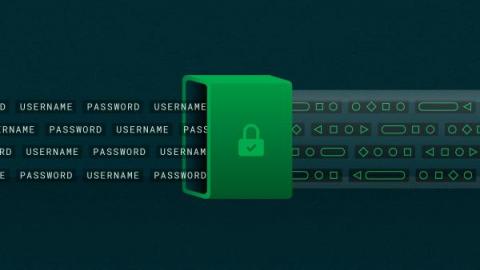
When security incidents happen, it’s crucial for software providers and users alike to take swift and effective action. In response to our recent security incident, we witnessed firsthand how an open and collaborative effort between our customers, technology partners, and engineering teams helped to contain the threat and mitigate risk of unauthorized access to customer systems.
Apache Tomcat is the Java web server that implements many Java features like web site APIs, Java server pages, Java Servlets, etc. It’s an open-source software widely used in the industry. Tomcat sits on top of your application and is the entry point for reaching your application code. It is crucial to monitor its performance and make sure everything works, get notified when unexpected errors occur, and take action in real-time.
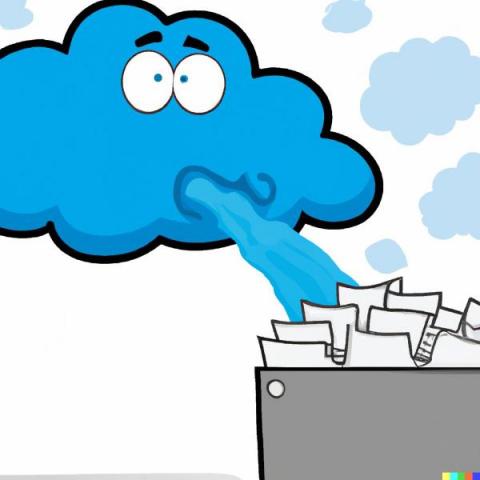
Azure Tables is a NoSQL cloud-based data storage service provided by Microsoft. It allows users to store and retrieve structured data in the cloud, and it is designed to be highly scalable and cost-effective. Azure Tables are used for a variety of purposes, including: In summary, Azure Tables are a cost-effective, highly scalable, and flexible data storage service that is well suited for storing large amounts of structured and semi-structured data.
Operations, customer support, engineers and most groups use inconsistent language. This is a serious problem. Imagine NASA doing that with astronauts or a navy with ships talking to each other, but not using the same terms. Something very bad will happen. In our space of incident management, we use words like broke, failed, outage, doesn’t work, dead…all describing the same condition.
Log management tools improve security, help troubleshoot issues, and enable system monitoring. This log management guide defines key terms and explains the benefits of centralized tools.
Azure Files is a cloud-based file storage service provided by Microsoft that allows users to store and access file shares in the cloud. In this blog post, we will discuss what Azure Files is, how to efficiently reduce the cost of your Azure Files, and how to further save money with Azure Files.
This blog will cover what the Calico/VPP dataplane is and demonstrate the performance and flexibility advantages of using the VPP dataplane through a benchmarking setup. By the end of this blog post, you will have a clear understanding of how Calico/VPP dataplane, with the help of DPDK and accelerated memif interfaces, can provide high throughput and low-latency Kubernetes cluster networking for your environment.
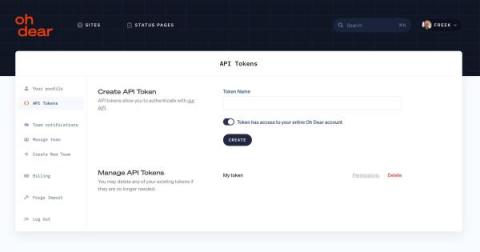
Oh Dear has an extensive API that powers various powerful integrations. To use the API, you first need to create an API Token in the Oh Dear UI. Previously, such a token could be used to make API calls to any site or status page in your Oh Dear account. We noticed that some of our users are agencies that use Oh Dear to monitor their clients' sites.