Mailchimp
Not subscribed to OpsMatters Newsletter


How frustrating is it when you’ve just landed on a web page, you click on a certain element and an ad or something else pops up and you end up clicking that thing instead? That’s a layout shift, which is bad for the user’s experience and the later they happen, the worse it is. Research from HTTP Archive shows that over 80% of websites use web fonts. Web fonts also cause layout shifts, if they’re not being loaded strategically.
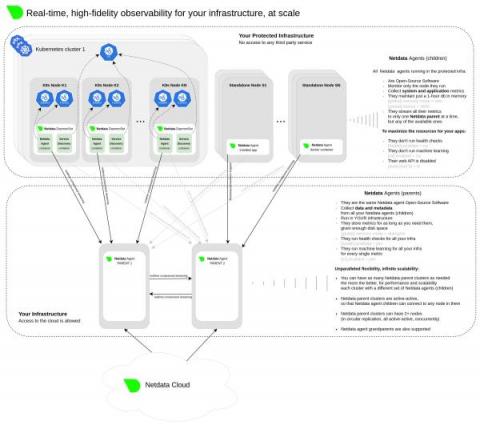
Unlocking the full potential of monitoring through ML integration, anomaly detection, and innovative scoring engines. Machine Learning has been making waves in various industries, but its adoption in the monitoring and observability space has been slower than expected. Many “ML” features remain gimmicky and do not provide actual real world value to users that encourages their further use.
As more and more organizations undergo digital transformation, IT automation is becoming more important and essential to implement. A report by Smartsheet found that more than 40% of those surveyed spend about a quarter of their time working on repetitive tasks, and almost 70% of them say that automation’s biggest opportunity would be that it significantly reduces the amount of time spent on these tasks.
Whoever owns Reliability should define its parameters. But who owns the Reliability of a Product? Engineering? Product Management? Or the Customer success team?
Last month, the Singapore bank DBS experienced a 10-hour outage of its digital services. Not only was it massively disruptive to customers, but it caused the bank’s stock to lose 1.4% of its value in a single day. And it’s not the first time DBS has had to deal with the fallout of an IT snafu; in November 2021, Singapore’s finance regulatory body imposed significant additional capital requirements on the bank after its digital banking services were disrupted for two days.