Mailchimp
Not subscribed to OpsMatters Newsletter


In the realm of virtualization and cloud computing, VMware has been a leading name for years, offering robust and innovative solutions to businesses of all sizes. Their products have transformed the way organizations manage their IT infrastructure, enabling them to create flexible, scalable, and secure virtual environments. On March 18, 2023, VMware introduced the latest version of their flagship product, VMware vSphere 8.0.
IT, DevOps, and security teams are figuring out the best ways to manage their complex, ever-growing, ever-changing environments. And one contributing factor to all the complexity is the rise of using multiple cloud services. One cloud service to manage is difficult enough, but adding more to the mix — each with its own interface and set of tools — makes everyone’s job significantly more difficult.
If you work as a CTO, then you already know that having robust monitoring and analytical tools for your technology stack is a prerequisite to getting your job done right. Many companies that started off using Datadog discovered that it can become prohibitively expensive and complex when they needed to scale. As such, there are a lot of people out there currently seeking out alternatives.
Any web-based business must have effective log monitoring in place to guarantee the efficient operation of its applications and systems. Tools for log monitoring are essential for error detection, performance analysis, and problem-solving. The top five log monitoring tools will be examined in this post, along with their features, prices, advantages, and disadvantages.
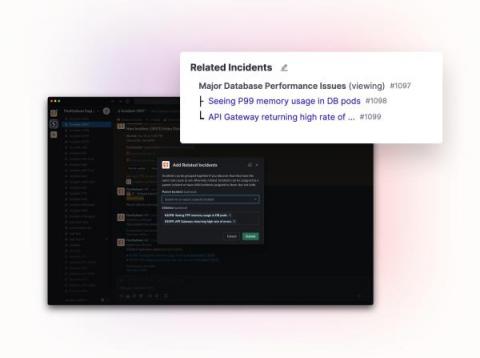
We’ve all been there. You’re working through some rather frustrating blockers during an incident only to discover that you don’t own the dependency at fault. Or, you’ve been pounding away at an issue when a fellow engineer reaches out and asks if your service is affected by some particularly gnarly database failure they’re seeing. But then what? Do you merge efforts and work in parallel or head for a coffee break while the issue gets attacked upstream?
GitLab is a DevSecOps platform that helps engineering teams automate software delivery. Using GitLab, teams can easily collaborate on projects and quickly deliver application code with robust CI/CD, security, and testing features. Datadog’s GitLab integration enables you to monitor your GitLab instances alongside the rest of your infrastructure by collecting GitLab metrics, logs, and service checks.
With the growing utilization of AI, modern business applications rely more and more on machine learning (ML) models. But the complexity of these models poses significant challenges to data scientists, engineers, and MLOps teams seeking to maintain and optimize performance.