Operations | Monitoring | ITSM | DevOps | Cloud

2.5X faster and 88% cheaper error resolution with GPT-4o mini and Raygun

In May, GPT-4o was released, refining the GPT-4 architecture with native multi-modal input support, faster speeds, and a cheaper price per token. This week, with the release of GPT-4o mini, it’s even more cost-effective and quicker. This model is considered better than GPT-3.5 Turbo, being faster and smarter—a win all around. Let’s put it to the test in a real-world application to see just how good it is for software developers.
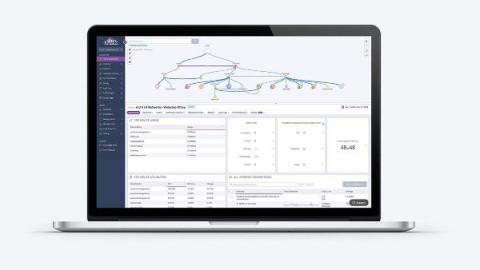
10 Tips to Reduce MSP Costs From (and with) Auvik

Like any business, management service provider firms are always looking for ways to reduce MSP costs and improve profits. MSPs provide critical services to their clients, so finding ways to cut costs without cutting corners is essential. You’ve probably heard all the standard advice on cutting costs: review your pricing, renegotiate contracts, cut unnecessary expenses, and so on. But what about MSPs who are already doing all those things and are still looking for ways to save?

What is Packet Reordering (Out-of-Order Packets) & How to Detect It

Imagine a world where packets go on unexpected detours, performing an electrifying dance routine that challenges the order we hold dear. Sounds intriguing, doesn't it? In the realm of data transmission, order is king. But every now and then, our trusty packets decide to take a detour, throwing caution to the wind and leaving us scratching our heads. Fear not! Today, we embark on an exhilarating exploration to demystify the phenomenon of out-of-order packets, also known as packet reordering.

Learning from Major Incidents: The Opportunities We're Missing

While they are untimely, stressful and likely to highlight communication breakdowns within an organization; incidents can be a powerful tool for learning and growth in organizations. When an incident occurs with a large impact, which it feels like we read about this happening in the news on a weekly basis, oftentimes the focus is on two things: stabilizing the situation, and controlling the narrative. Organizations often miss the opportunity incidents present: learning.

How to set up an open source database monitoring stack with Grafana Cloud

One of the great powers of Grafana is the open source community behind it — a community that provides a breadth of ready-to-use dashboards, plugins, exporters, and instructions that make a million tasks easier. The sheer scale of it all means whatever you need probably already exists somewhere. To illustrate this, I want to share an example of how to use these tools as a base for building a comprehensive database monitoring solution.

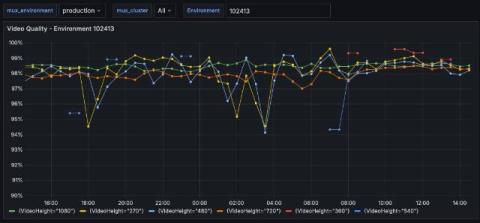
How Mux cut metrics volume by 60%, increased retention times, and improved developer productivity with Grafana Cloud

Every time the platform engineering team at San Francisco-based startup Mux deploys new software, there are two must-have components: proper access controls and observability. But until recently, their observability stack left the team frustrated, reactive, and largely in maintenance mode.

CFEngine 3.24 LTS released - Consistency

Today, we are pleased to announce the release of CFEngine 3.24.0! The code word for this release is consistency. This release also marks an important event, the beginning of the 3.24 LTS series, which will be supported for 3 years. Several new features have been added since the release of CFEngine 3.21 LTS, in the form of non-LTS releases.

Azure Savings Plan - Complete Guide to Use & Optimize

Table of Contents Toggle If your business has predictable compute workloads and wants to save on Azure spend, Azure Savings Plan might be an appealing solution. So long as you fully understand this plan’s offering and consistently use the same amount of resources every year, you can save significant amounts. Read on to discover the pros and cons of Azure Savings Plan and if this offering is a good fit for your company.

Status page examples

The visual presentation and aesthetics of a company's online presence are crucial in shaping the company's reputation and customer trust. One such vital aspect is the status page, which is often overlooked yet highly influential. By examining the best status page examples, we can see how a well-designed status page not only conveys reliability and professionalism but also builds users' confidence, reassuring them of the organization's dedication to maintaining transparency and excellence.