The latest News and Information on CyberSecurity for Applications, Services and Infrastructure, and related technologies.
By 2020, the cost of a data breach would amount to a whopping $150 million! No industry is safe from such violations. Did you know that after every 39 seconds, there is a hacker attack on computers and websites? Think about how many cyber-attacks might happen as you are reading this. Your business and website can be one of them unless you take the necessary measures to secure your platform.
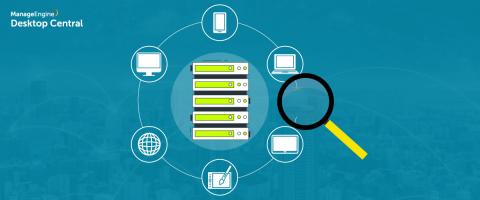
IT management has become a department that exists in every business ecosystem, irrespective of verticals. Those who are responsible for taking care of IT management need to work around the clock to secure and maintain servers, computers, smartphones, tablets, iPads, IoT devices, virtual machines, and more. The technician alone is like a modern puppeteer controlling and manipulating all these devices from one, central location in a unified way.
In the new cloud-native world, ephemeral services like containers make security a challenging task. As enterprises start adopting containers in production, they suffer from a great deal of variance in the software, configuration, and other static artifacts that exist across their organization’s container image set.
Container adoption in IT industry is on a dramatic growth. The surge in container adoption is the driving force behind the eagerness to get on board with the most popular orchestration platform around, organizations are jumping on the Kubernetes bandwagon to orchestrate and gauge their container workloads.
Usually, when you hear us going on about labels here at Tigera, we are mentioning them as targets for selectors for network policies. As a review, you might have a policy that says, “things labeled customerDB=server should allow traffic on 6443 from things labeled customerDB=client” In this example, the labels identify a resource being produced or consumed.
As the threat landscape continues to expand, having end-to-end visibility across your modern application stack and cloud infrastructures is crucial. Customers cannot afford to have blind spots in their environment and that includes data being ingested from third-party tools.
Today we are very excited to announce our latest release — Sysdig Secure 2.3! In this version of Sysdig Secure, we have invested heavily in hardening the compliance posture of Kubernetes, Docker configurations, and container images. We have released a set of features that provide compliance focused image scanning, guided remediation, compliance dashboards, and more.