Operations | Monitoring | ITSM | DevOps | Cloud


The latest News and Information on CyberSecurity for Applications, Services and Infrastructure, and related technologies.


How to help ensure cyber safety this summer
You’ve been waiting and planning all year. The sunscreen is packed, the neighbors have a spare key to water the plants while you are away, you made sure to set your out-of-office notifications, and emergency contact information has been updated. It is time for vacation season!

Powering government security and innovation in the cloud
It’s no secret that government agencies are facing increasing restrictions and compliance regulations as they strive to ensure effective data governance and protection. “Agencies have a lot of regulated information that needs to be governed, and they need to make sure it’s not compromised,” says Corey DuBois, senior advisory presales solution consultant at ServiceNow. “There are a lot of checks and balances they need to have in place.”
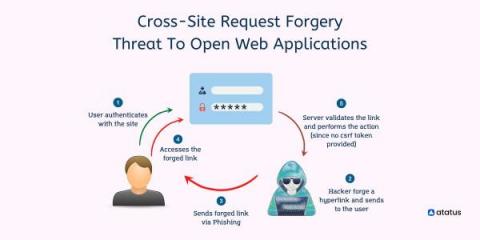
Cross-Site Request Forgery - Threat To Open Web Applications
Cross-site request forgery (CSRF) is an attack that tricks a user's browser into sending a malicious HTTP request to another website. This malicious HTTP request looks like it was sent by the user, but it actually comes from the attacker. A cross-site request forgery (CSRF) attempts to execute a change rather than trying to download personal data. Once an attack is executed there is no way for the attacker to directly monitor the result so attackers often execute multiple forgeries.

What IT Pros Can Learn from the Marriott Data Breach
Despite the best efforts of individuals to protect their own data, they cannot always account for the cybersecurity shortcomings of larger organizations such as their employers, financial institutions, and healthcare providers entrusted with their personal information. Hotels should also be added to this list of vulnerable entities, as was made painfully apparent in the most recent Marriott data breach.

Container Registry Scans with NeuVector
How Modern Log Intelligence Meets New Cybersecurity Regulations by CERT-In

The CrowdStrike Pack
Automated Security Alert Remediation: A Closer Look
In cloud-native organizations and software as a service (SaaS) businesses, cloud security automation is becoming a must-have feature. You can't stay ahead of threats across several levels of your cloud environment using manual procedures alone, and you can't rely exclusively on cloud providers' security technology, which doesn't operate across different clouds and lacks advanced automation features. Managing these infrastructures and apps in multi-cloud settings becomes increasingly difficult and compounds the operational issues that you face today. Automation is the way to go if you want to stay ahead of the game and meet the expectations of your customers.
What is DataPower used for?
What is DataPower used for? It provides security, control, integration and optimized access to a full range of mobile, web, application programming interface (API), service-oriented architecture (SOA), B2B and cloud workloads.