Operations | Monitoring | ITSM | DevOps | Cloud

Implementing Microservices on AWS with the Twelve-factor App - Part 2

Welcome to the second post in a series of “Implementing Microservices on AWS with the Twelve-factor App”. In the first post, we covered the areas around the codebase, configuration, code packaging, code builds, and stateless processes. This article will go through the remaining areas for best practices in microservices. Let’s start the discussion with Port mapping!

How to Monitor Microsoft IIS with OpenTelemetry

The OpenTelemetry members at observIQ are excited to add Microsoft IIS metric monitoring support to OpenTelemetry! You can now easily monitor your IIS web servers with the oIQ OpenTelemetry Collector. You can add the IIS metric receiver to any OpenTelemetry collector. This post demonstrates just one configuration for shipping metrics with OpenTelemetry components. This configuration and many other observIQ OpenTelemetry configurations are available in the oIQ Opentelemetry Collector.

Monitor FoundationDB with Datadog

FoundationDB is a distributed NoSQL database designed to support fully ACID transactions. FoundationDB uses an unbundled architecture that consists of an in-memory transaction management system, a distributed storage system, and a built-in distributed configuration system. This enables developers using FoundationDB to manage and configure each part of their database layer separately to ensure desired scalability, high-availability, and fault tolerance.

Top 6 AI Writing Tools for Students

In some majors, students do so much writing that they can't possibly do without writing assistance. Otherwise, never-ending homework is almost guaranteed to lead to burnout and loss of interest in one's degree. One of the ways to lessen the burden is to get professional help from writing services. But to buy a subscription for an AI-driven AI writing tool or two is also a great idea. Here are the top few to look out for if you're looking for writing help (in this exact order).

Now Monitor with Even More Granularity

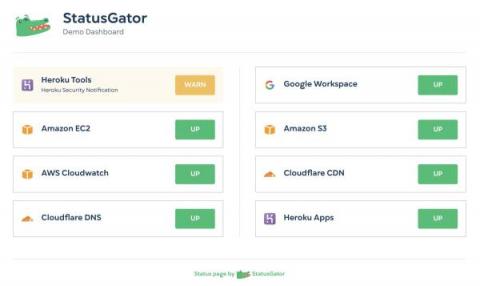
StatusGator is a status data platform: We ingest data from almost 2,000 services by extracting and normalizing their official, public status page information. To monitor a service, you simply search through our list of thousands and its added to your dashboard. From there, you can filter to specific components of a service, such as products or regions. Now, you can subscribe to the same service more than once on a single StatusGator dashboard. What does this mean in practice?

Would you like to build a Customer Success team? Here's all you need to know about it.

Chances are you have a marketing team to draw in new sales, a content team to put out interesting content, and a sales team to close new customers. But do you have a team to ensure that your customers are happy? After all, happy and loyal customers make a successful business. And this is why you need a Customer Success team.

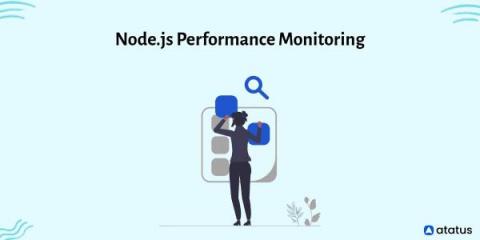
Node.js Performance Monitoring

Many software developers utilize Node.js to create high-performance backend web applications. It has numerous advantages, including ease of application deployment, asynchronous request handling, great performance, and more. Integrating a solid monitoring solution into your Node.js application is critical since it gives you visibility into what's going on in your application at any given time or over a specific time.

How the growing Grafana Observability team restructured themselves successfully

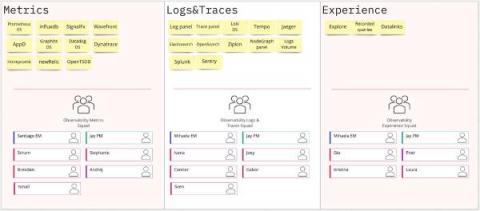
Over the past year, Grafana Labs has grown from 300 to 700 Grafanistas. Moving forward, we expect to continue to maintain a high rate of change, and to sustain that, we need to ensure there is flexibility in how our teams* are set up. The majority of our Engineering squads have changed in size and structure — and the same goes for the Grafana Observability team, where I work.