Operations | Monitoring | ITSM | DevOps | Cloud

What is Enterprise Service Management?

Enterprise service management (ESM) is the extension of IT service management (ITSM) principles and capabilities to other areas of an organization. This will typically include not only using the same processes or practices used in ITSM, but also the same technology (for example, tools such as a Service Desk) as a means of work enablement. As a starting point for better understanding of what ESM is, there’s a need to first understand what ITSM is...

Sponsored Post

Top Five Pitfalls of On-Call Scheduling

On-call schedules ensure that there's someone available day and night to fix or escalate any issues that arise. Using an on-call schedule helps keep things running smoothly. These on-call workers can be anyone from nurses and doctors required to respond to emergencies to IT and software engineering staff who need to fix service outages or significant bugs. Being on-call can be challenging and stressful. But with the proper practices in place, on-call schedules can fit well into an employee's work-life balance while still meeting the organization's needs.

What to look for in a Windows network monitoring tool

Monitoring the Windows devices in a network is difficult yet essential since the devices are tasked with the critical functioning of the network. The challenges and complexity increase multi-fold for an enterprise network because each device is associated with many events, services, and processes that must be monitored to ensure the hassle-free operation of both the devices and the network. The devices should be monitored constantly by a network monitoring tool.

Your Telemetry Data is Faster, Is Your Analysis?

Continuous intelligence (CI) platforms can be used to collect telemetry data from various sources, perform analysis on that data, make inferences about the data, and provide real-time insights that help businesses understand what’s going on. For years, network, application performance, and security monitoring were fairly passive operations. Systems collected key telemetry data, and operators received alerts when a particular metric crossed a preset threshold. Operations were limited in two ways.

Detect user pain points with Datadog Frustration Signals

Whether you run an ecommerce site, a digital publication, or any other customer-facing service, delivering optimum user experiences is key to the success of your business. Customers can grow frustrated and abandon your site when they run into hurdles such as JavaScript errors or confusing page designs, and that frustration negatively impacts your company’s bottom line.

Analyze wait events and in-flight queries with the Datadog Database List

When you’re operating databases at scale, being able to get real-time insights across all your databases is essential for addressing issues and identifying areas for optimization. Datadog Database Monitoring’s Database List allows you to monitor your entire database fleet in one place, so you can quickly identify and troubleshoot overloaded hosts and gauge the impact of problematic queries throughout your infrastructure.

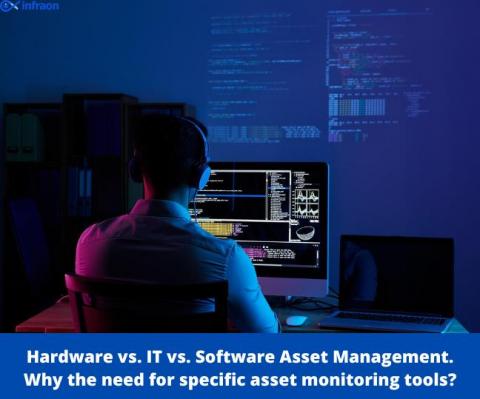
Hardware vs. IT vs. Software Asset Management - Why the need for specific asset monitoring tools?

Hardware asset management (HAM), IT asset management(ITAM), and software asset management (SAM) are all closely related fields that deal with the maintenance of IT assets in an enterprise. Asset management is managing and tracking the lifecycle of all your enterprise’s assets, from physical to digital. They ensure your enterprise has full visibility into its assets to make informed decisions about what it needs to do with them.

Application Snapshots: A Valuable Observability Signal for Developers

Monitoring is often not the first thing on the mind of the modern developer. Yet, it’s necessary at many points of the software development lifecycle, including: before deprecating an API, before launching a new feature, after launching the feature, and more. In fact, monitoring needs can vary much more than the classic Ops monitoring.