Operations | Monitoring | ITSM | DevOps | Cloud

Key Observability Scaling Requirements for Your Next Game Launch: Part II

In Part I in our series outlining best practices for scaling observability, we reviewed the data analysis capabilities that can help engineers troubleshoot faster during high pressure situations during a game launch. Nobody wants lag time or crashes in their game launch. Similarly, no one wants terminated sessions or for your gamer customers to log off and play a competitor’s game.
Is Your Mac Spying On You? Maybe It Should be

What would you call software installed on your Mac, that’s hidden from sight, difficult to remove, and that silently monitors everything that happens on the system? You might call it spyware, or a RAT (Remote Access Trojan), and start thinking about how best to get rid of it. However, that same description can also be applied to the software that’s used to keep your machine safe from such threats.

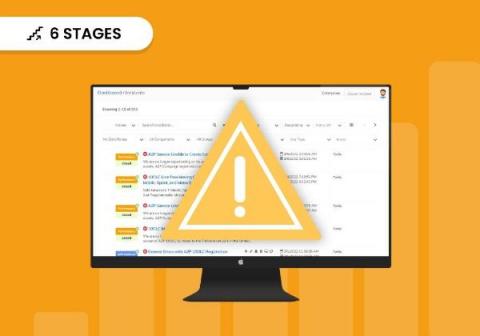
What are the new stages of incident management?

Good communication is at the core of any incident management process, empowering stakeholders with the information they need to avoid lost productivity. Delivering the right message through the right channel to the right people across the enterprise is key – if you’re simply firefighting and communicating reactively, stakeholders will likely get frustrated.

Public cloud for telco - Part 2: Google Cloud Platform

This is the second blog in a series focusing on how telecom operators can leverage public clouds to meet their business demands. In a previous blog, we talked about Amazon Web Services (AWS) and how its services made it possible for telcos to shift towards public clouds. In this blog, you’ll get to know about Google Cloud Platform (GCP) and its role in enabling the telecommunications industry to leverage the cloud’s capabilities.

What can be learned from recent BGP hijacks targeting cryptocurrency services

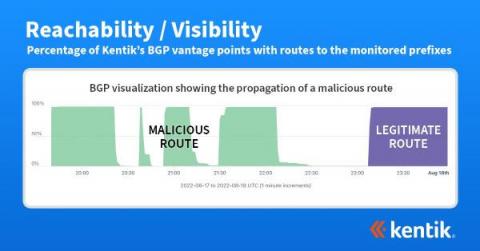
On August 17, 2022, an attacker was able to steal approximately $235,000 in cryptocurrency by employing a BGP hijack against the Celer Bridge, a service which allows users to convert between cryptocurrencies. In this blog post, I discuss this and previous infrastructure attacks against cryptocurrency services. While these episodes revolve around the theft of cryptocurrency, the underlying attacks hold lessons for securing the BGP routing of any organization that conducts business on the internet.

A Greener Internet? The Carbon Cost and Environmental Impact of Big Data Centers

Did you know data centers are everywhere? Really! They are everywhere. While you may not see them, millions of data centers are scattered across the globe—in big cities, small towns, deserts, the Arctic, underground, and underwater. Data centers make the internet possible, and every little click and function on the web takes the processing power that a data center provides. Think about it.

How to monitor OpenShift with Sysdig Monitor

Monitoring Red Hat OpenShift brings up challenges compared to a vanilla Kubernetes distribution. Discover how Sysdig Monitor, and its exclusive features in OpenShift, will help you monitor and troubleshoot your issues fast and easily. OpenShift builds many out-of-the-box add-ons into its Kubernetes foundation. For example, the OpenShift API server, Controller Manager, Ingress, or Marketplace ecosystem. This creates a more complex environment that can cause you to struggle.

Released: Better Uptime Integration

StatusGator has a wide a variety of use cases: from education to help desk to IT and managed services and DevOps, too. All corners of an organization depend on cloud services and StatusGator gives you visibility into the status of all of your vendors. We’ve heard over and over from our DevOps users that alerts and notifications for their teams are already centralized into a single incident management platform such as OpsGenie, PagerDuty, or FireHydrant.

How to convert a mini-arcade machine into a Grafana dashboard display with Raspberry Pi

When COVID-19 hit, Yonatan Mevorach faced an unexpected challenge, which required an unexpected solution. The Infrastructure Team Lead at Wix, the popular website building platform, was accustomed to looking at multiple monitors on the walls of the software company’s offices in Tel Aviv, Israel. These monitors cycled through Grafana dashboards to help the team keep tabs on Wix’s many services.